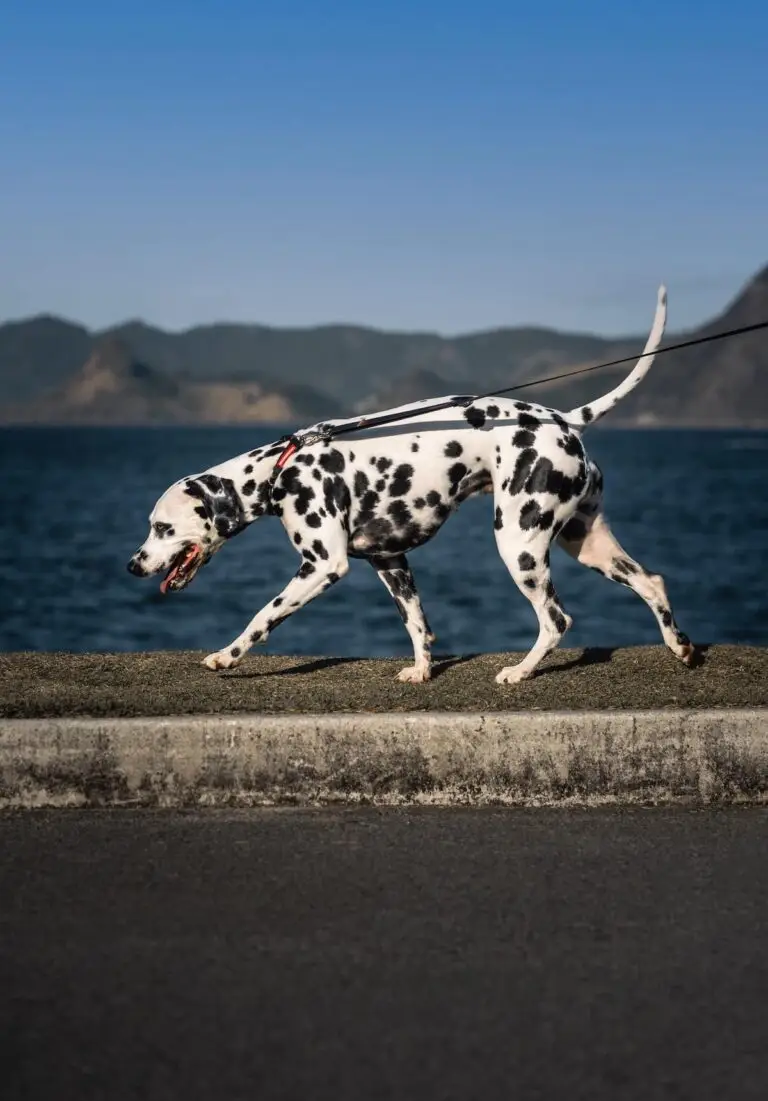






Discover What Makes Labradors a Globally Loved Breed – From Family Pets to World Travellers
Labradors are celebrated as loyal, energetic, and engaging companions. Their adaptability suits them for both home life and international relocation, aligning with PetAir UK’s commitment to supporting pet welfare in transit. The following 10 evidence-backed facts and owner tips explore this remarkable breed.
1. Webbed toes = natural swimmers
Labradors have partial webbing between their toes, which helps them paddle efficiently in water. In snowy or muddy conditions, that same webbing can reduce debris build-up. But swimming lovers will want to monitor ear health – frequent water exposure can lead to ear infections. Use gentle ear-drying after swims and check regularly for redness or discharge.
2. Double-coat insulation
Labs possess a short, dense topcoat over a softer undercoat, offering insulation from cold and damp weather. This structure also helps repel light rain. However, during seasonal shedding (spring and autumn) they moult heavily. Regular brushing (2–3 times per week) helps reduce loose hairs inside your home and keeps skin healthy.
3. A top choice for service and guide dogs
Their intelligence, sociability and eagerness to learn make Labradors among the most common breeds used for guide dogs, assistance roles and therapy. Their temperament is calm yet alert – traits that also make them wonderful companions.

4. A consistently popular breed
Labradors remain consistently popular in the UK and around the world. Their versatile nature – from family pets to working roles – drives demand. If your Labrador is relocating, that popularity helps with transport compatibility and acceptance at multiple destinations.
5. People-focused and social
Labs thrive on human interaction. Left alone for long periods, they can develop separation anxiety or destructive behaviours. Aim for structured activity, mental enrichment (puzzle toys, scent games) and, if your relocation schedule allows, interim pet care rather than leaving them isolated.
6. Multi-role working breed
Beyond guide work, Labradors serve in roles like search and rescue, detection, tracking, therapy, and gun dog work. Their strong scenting ability and versatility make them a go-to in many sectors. If your Lab is a working/assistance dog being relocated, PetAir UK handles the specialised logistics for registered working dogs to and from 300+ destinations.
7. Heroic Labrador: Endal
One of the most celebrated Labradors in the UK was Endal. Awarded the PDSA Gold Medal for bravery, Endal helped his disabled owner when he collapsed – covering him with a blanket, retrieving a phone, and getting help once the owner regained awareness. His legacy reminds us of the intelligence and loyalty inherent in the breed.

8. Colour diversity in one litter
Labrador litters can yield black, yellow (ranging pale cream to fox red) or chocolate pups – all from the same parents if their genes allow. This variety stems from complex coat colour genetics involving the B and E loci. However, note that colour can correlate with health trends (see fact 10).
9. Lifespan: average and variation
A recent UK study shows they have a median lifespan of around 12.0 years. Notably, chocolate-coloured Labradors had a shorter median lifespan (10.7 years) than non-chocolate ones (12.1 years) in that study. That said, exceptional individuals sometimes live beyond 14 or even 15 years.
10. They have unique health traits (which matter greatly during travel)
Being a purebred breed, Labradors carry a few inherited health risks. In the UK, the most frequently recorded disorders include:
- Otitis externa (ear infections)
- Overweight and obesity
- Degenerative joint disease, arthritis, and dysplasias (hip and elbow)
Knowing these risks isn’t just important for daily life; it is critical if you plan to fly your Labrador overseas. Large breeds prone to joint stiffness require carefully sized, airline-approved travel crates so they can stand, turn around, and lie down comfortably during transit. Furthermore, conditions like ear or skin infections need to be checked and cleared by a vet right before flying to ensure compliance with international border regulations.
Because navigating flight logistics alongside your Lab’s specific health needs can be overwhelming, using a specialised pet travel company is the safest option. Our team coordinates everything from veterinary documentation to climate-controlled routing, ensuring your Labrador’s journey is stress-free and tailored entirely to their physical wellbeing.
Tips for Labrador Owners (At Home and In Transit)
- Choose carefully: When choosing a puppy, ask for BVA hip and elbow scoring alongside eye and skin health clearances (Canine Health Schemes).
- Watch their waistline: Maintain a lean body condition. Carrying even 10% extra weight stresses vulnerable joints, which is particularly critical if your dog needs to remain comfortable inside a travel crate during a long flight.
- Protect growing joints: Moderate growth in puppies by avoiding over-exercise while growth plates are still open (under 12 months).
- Invest in comfort: Provide joint supplements or vet-recommended diets in later years to keep your Lab agile, whether they are running in the park or embarking on a long-distance relocation.
- Keep ears dry: Clean ears gently after swimming and monitor closely for redness or discharge. If you are bathing your Labrador before an international flight, ensure their ears are entirely dry to pass the pre-flight veterinary check.
- Prioritise early detection: Schedule regular vet checkups to spot limps, ear issues, and skin itching early. Having a trusted vet who knows your dog’s history makes gathering official international health certificates significantly smoother.
Ready to look at flight options for your dog?
Read our up-to-date guide on which airlines carry pets out of the UK to see how British Airways handles large breeds.
If you’re relocating a Labrador (or any breed), PetAir UK combines veterinary insight with international logistics to ensure a stress-free, safe journey. Request a free pet travel quote online or give us a call to speak to our expert team today.