


Preparing your dog or cat for a long-haul flight in a travel crate requires careful planning, early crate training, and the correct IATA-approved equipment. Most healthy pets can travel safely and comfortably when their crate is properly sized, airline compliant, and introduced well in advance of departure. In this guide, our vet-led UK pet relocation team explains how to prepare your pet for international air travel, reduce stress, and ensure a smooth, welfare-focused journey overseas.
Can dogs and cats fly long haul safely in a travel crate?
Yes. With the correct IATA-approved travel crate, early crate training, and veterinary guidance, most healthy dogs and cats can travel safely and comfortably on long-haul flights. Preparation is the key factor that determines how smooth and stress-free the journey will be. PetAir will ensure your pet takes the safest route. PetAir will also ensure your pet’s crate is the correct size and meets all IATA requirements.
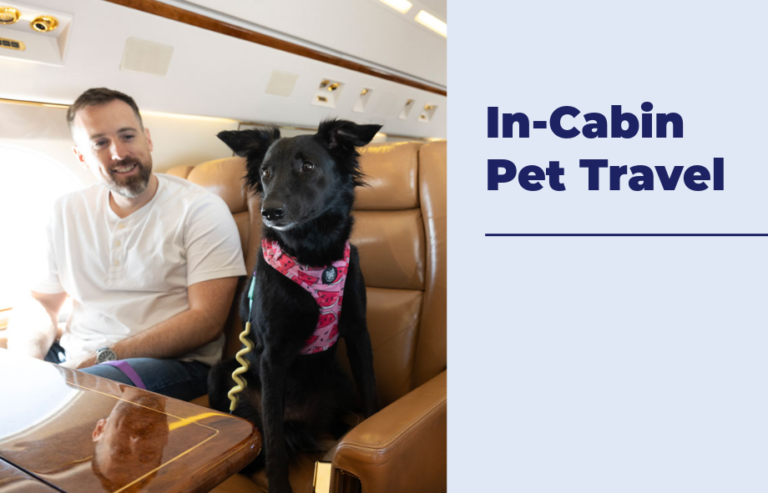
Certain breeds, particularly brachycephalic dogs and cats such as Bulldogs, Pugs and Persian cats, may face airline restrictions due to increased respiratory risk. A pre-travel veterinary assessment is always advised. If your pet is not deemed suitable for cargo or in-hold, we will advise you on alternative options, such as in-cabin travel.
If you are planning an international move, understanding how to prepare your dog or cat for a long-haul flight in a travel crate is one of the most important parts of the process.
Why Travel Crate Preparation Matters for Long-Haul Flights
For most international pet travel routes, dogs and cats travel in the aircraft hold in a temperature-controlled and pressurised environment. Modern aircraft holds are maintained in a similar way to the cabin, but your pet will be travelling inside their crate for many hours.
An IATA-approved pet travel crate is not just an airline requirement. It is your pet’s safe space during the journey.
A properly prepared crate:
- Keeps your pet secure during loading and turbulence
- Allows them to stand, turn and lie down comfortably
- Minimises stress through familiarity
- Meets IATA Live Animals Regulations and airline policies
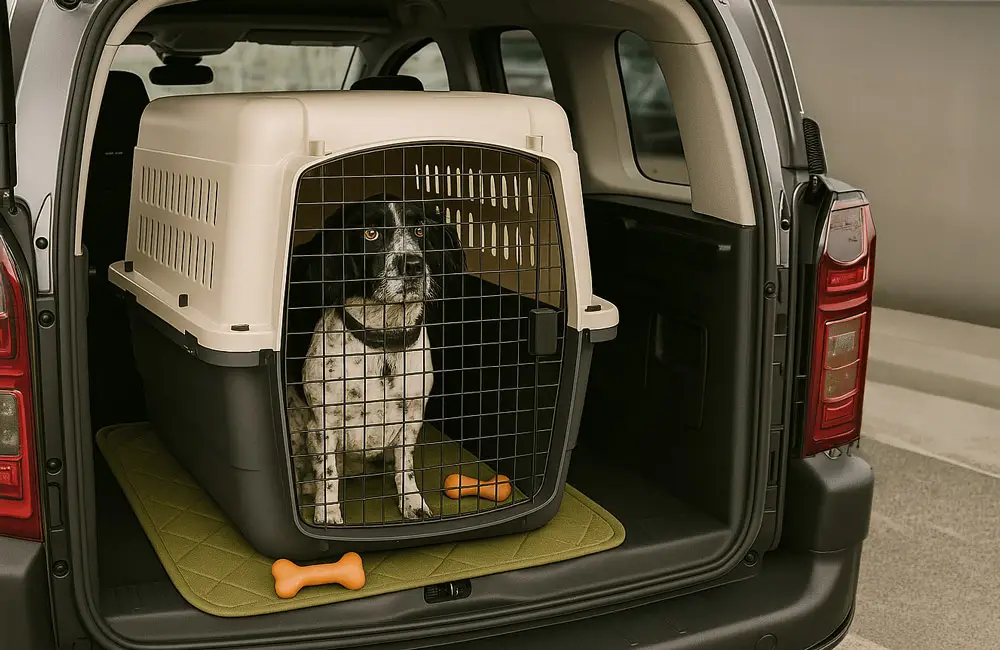
How to Crate Train Your Dog or Cat for a Long-Haul Flight
Crate training is one of the most effective ways to reduce travel anxiety. Ideally, begin preparation at least four to six weeks before departure.
Step 1: Introduce the Crate Gradually
Place the crate in a familiar room with the door open. Allow your pet to explore it at their own pace.
Step 2: Create Positive Associations
Add comfortable bedding and favourite toys. Use treats, praise and calm encouragement to reward voluntary entry. Never force your pet inside.
Step 3: Increase Duration Slowly
Once your pet is comfortable entering the crate, begin closing the door for short periods. Gradually increase the time spent inside.
Step 4: Simulate Travel Conditions
For dogs, practice short car journeys with the crate secured. This helps normalise movement and sound. For cats, encourage calm rest periods inside the crate in a quiet space.
Step 5: Avoid Sedation
The British Veterinary Association and most international airlines advise against routine sedation for air travel. Sedatives can affect breathing, blood pressure and temperature regulation at altitude. Behavioural preparation and, where appropriate, vet-recommended calming strategies are safer alternatives.
Health Checks Before Long-Haul Pet Travel
Every dog or cat travelling internationally will require a veterinary health assessment. Requirements vary depending on destination, but commonly include:
- Microchip verification
- Rabies vaccination
- Rabies blood titre testing for certain countries
- Export Health Certificate
- Tapeworm treatment for dogs entering some countries
- Additional parasite treatments
You can review official guidance on the UK Government website here.
Our team at PetAir will ensure all documents are sorted for you, creating a stress-free journey.
For destinations such as Australia, New Zealand, South Africa or certain parts of Asia, additional blood tests and import permits may apply. Starting the process early is essential to avoid delays.
Keeping Your Pet Comfortable During a Long-Haul Flight
Long-haul journeys can range from 8 to over 20 hours including transit time. Small adjustments make a big difference to comfort.
- Use familiar bedding: Include a blanket that smells like home. Familiar scents provide reassurance.
- Plan feeding carefully: Feed a light meal 6 to 8 hours before departure unless otherwise advised by your vet. Avoid heavy meals immediately before travel.
- Support hydration: Attach airline-compliant water bowls.
- Exercise before travel: Dogs benefit from a long walk before airport check-in to reduce excess energy. Cats benefit from a calm, low-stimulation environment prior to departure.
- Prepare for toileting: Line the crate with high-quality absorbent bedding. Puppies and senior pets may require extra absorbent layers.
PetAir ensure your pet’s crate is prepared correctly. We use absorbent bedding, ensure the crate is IATA-approved, your pet has enough water, and that their crate is secure and safe.
Are Long-Haul Flights Safe for Dogs and Cats?
For the majority of healthy pets, flying is safe when managed correctly and in line with international regulations. Aircraft holds used for live animals are temperature controlled and pressurised.
Common Mistakes to Avoid
- Leaving crate training until the final week
- Guessing crate size without accurate measurement
- Adding non-compliant bedding or accessories
- Feeding a large meal immediately before travel
- Overlooking airline-specific regulations
Each airline has slightly different policies for pet travel from the UK. Working with an experienced pet relocation specialist reduces the risk of unexpected issues.
Why Professional Guidance Matters
International pet relocation involves more than booking a flight. It requires up-to-date knowledge of:
- Import regulations
- Airline requirements
- Documentation timelines
- Crate compliance standards
- Veterinary certification procedures
As a company owned and run by vets, we place welfare at the centre of everything we do. From providing pet carriers to coordinating complex export health certification, our team ensures your dog or cat is fully prepared for their long-haul flight.
Having safely relocated over 33,000 pets worldwide to more than 300 destinations, we understand how to make long-haul pet travel smooth, compliant and as stress-free as possible.
At PetAir, we offer 24/7 vet access, including travel crate preparation. Learn more about this here.
Key Takeaways for Safe Long-Haul Pet Travel
Preparing your dog or cat for a long-haul flight in a travel crate takes time, planning and professional input. Early crate training, correct sizing, veterinary checks and careful travel coordination are the foundations of safe international pet travel.
If you would like expert support from a trusted, vet-run UK pet relocation company, we are here to help.
Give our friendly team a call or request a quote online.
Your pet’s journey deserves expert care, all the way from the planning to arrival.