



If you are planning to fly with your dog or cat, airlines must follow strict international rules designed to protect animal welfare. The IATA Live Animals Regulations are the global standard for transporting animals by air, covering everything from travel crate design to ventilation, handling procedures and documentation.
For pet owners relocating abroad, these regulations help ensure dogs and cats travel safely and comfortably. Airlines, airports and professional pet relocation companies rely on these guidelines to minimise stress, prevent injury and maintain safe conditions during flights.
At PetAir, our veterinary-led team works within these regulations every day while relocating pets to more than 300 destinations worldwide. We fully understand and know how important these standards are in protecting animals during international travel.
What are the IATA Live Animals Regulations?
The IATA Live Animals Regulations, often called the LAR, are developed by the International Air Transport Association. They provide detailed guidance for airlines and animal transport professionals on how live animals should be safely transported by air.
These regulations are updated regularly and are recognised worldwide as the industry standard for safe animal transport.
The regulations cover a wide range of important factors including:
- Approved travel crates for pets
- Ventilation and airflow requirements
- Safe handling procedures for airline staff
- Feeding and watering guidelines
- Labelling and documentation requirements
- Temperature considerations during travel
Most airlines will only accept animals for transport if they fully comply with these standards.

Why the IATA Regulations Matter for Pet Owners
Flying can feel daunting for pet owners, but the reality is that animal transport by air is carefully regulated. The IATA rules exist specifically to protect animal welfare.
Following these regulations helps ensure:
- Pets have enough room to stand, turn and lie comfortably
- Travel crates are secure and escape proof
- Adequate airflow is maintained throughout the journey
- Pets are handled correctly by trained airline staff
- Transport conditions remain safe and controlled
These measures significantly reduce the risks associated with air travel and help ensure pets arrive safely at their destination.
IATA Approved Pet Travel Crates
One of the most important parts of the regulations relates to pet travel crates.
Dogs and cats travelling in the aircraft hold must be transported in an IATA compliant crate. These crates are specifically designed to keep animals safe, comfortable and well ventilated during flights.
A compliant travel crate must:
- Be made from rigid, durable material such as tough plastic, fiberglass, plywood or solid wood
- Have ventilation openings on at least three sides
- Include a strong metal door with a reliable, spring loaded locking mechanism
- Have a leak proof base with absorbent bedding
- Have no wheels attached at the time of travel
- Provide enough internal space for pets to stand, lie down and turn around comfortably
- Include accessible water containers
Incorrect crate sizes are one of the most common reasons pets are refused by airlines at check-in.
PetAir provides travel crates carefully selected for each pet’s breed and size to ensure they meet airline requirements. You can learn more about our travel crates here.
Temperature and Breed Restrictions
The IATA regulations also include guidance on safe temperature conditions during animal transport.
Airlines may restrict pet travel if temperatures at the departure, transit or arrival airport are too high or too low. These rules help prevent animals being exposed to unsafe conditions.
Certain breeds require extra care during flights. Short-nosed breeds, also known as brachycephalic breeds, can be more sensitive to heat and respiratory stress.
Examples include:
- French Bulldogs
- Pugs
- Bulldogs
- Shih Tzus
- Persian cats
Because of this, some airlines apply additional seasonal restrictions for these breeds.

Preparing Your Dog or Cat for Air Travel
Meeting airline regulations is only part of preparing a pet for travel. Helping your pet feel comfortable with the process can make a significant difference to their experience.
- Introduce the travel crate early – Allow your pet to become familiar with their crate several weeks before travel. Encourage them to rest or sleep in it so it becomes a safe and familiar space.
- Exercise before departure – A good walk before heading to the airport can help dogs relax during the journey.
- Avoid sedation – Veterinarians generally advise against sedating pets during flights. Sedatives can affect breathing and balance at altitude, which may increase health risks.
- Ensure proper identification – Attach clear labels and contact information to the crate so airline staff can easily identify the pet and owner. At PetAir, we sort this for you.
Understanding Pet Travel Accreditations
When researching pet relocation companies, you may come across several aviation and animal welfare accreditations. These certifications demonstrate that a company follows strict industry standards for transporting animals safely.
You can learn more about these important organisations here, in our related guide.
This article explains the role of IPATA, IATA and DEFRA in regulating pet travel and why these accreditations matter when choosing a relocation provider. It also explain how PetAir UK comply with all these regulations, and how we can help you safely transport your pet abroad.
Useful Resources for Pet Owners
For official guidance on travelling with pets, these organisations provide reliable information:
These sources provide up-to-date advice on regulations, health requirements and safe animal transport.

FAQs:
Frequently Asked Pet Travel Quesions
Do all airlines follow the IATA Live Animals Regulations?
Most international airlines follow the IATA Live Animals Regulations because they provide the global standard for transporting animals safely. Some airlines may also add additional requirements depending on the route or climate.
Can dogs and cats travel in the aircraft cabin?
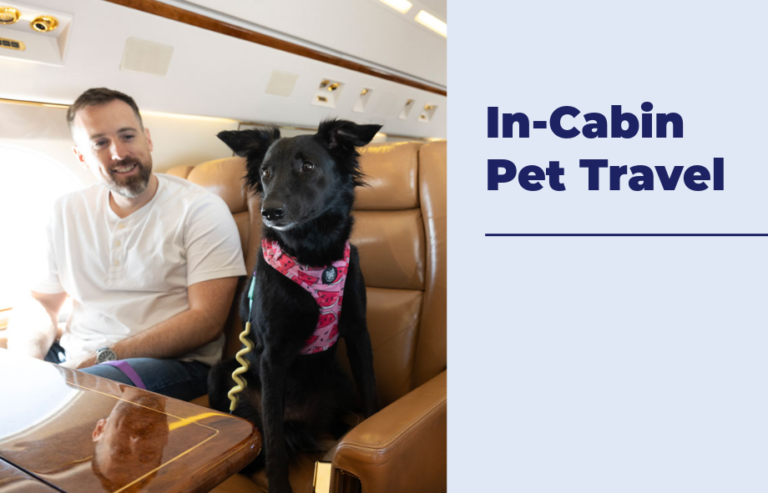
Most international journeys require pets to travel in the aircraft hold within a temperature controlled compartment designed for animals. However at PetAir, we offer in-cabin pet travel through our Superior travel packaged, perfect for snub-nosed pets or large breeds where cargo hold travel is more challenging.
How do I know if my pet crate is IATA compliant?
An IATA compliant crate must meet specific size, ventilation and construction standards. Pet relocation specialists such as PetAir can measure your pet and recommend the correct crate to ensure airline approval.
Is flying stressful for pets?
Most pets cope very well with air travel when they are properly prepared. A comfortable crate, familiar bedding and careful airline handling all help reduce stress.
Planning Safe International Travel for Your Pet
International pet relocation involves detailed planning and strict compliance with airline regulations. The IATA Live Animals Regulations play a vital role in ensuring animals travel safely and comfortably across the world.
At PetAir, our veterinary-led team manages every stage of the process, from selecting IATA compliant travel crates to coordinating airline bookings and veterinary documentation.
If you are planning to relocate abroad with your dog or cat, our experienced team is here to help.