




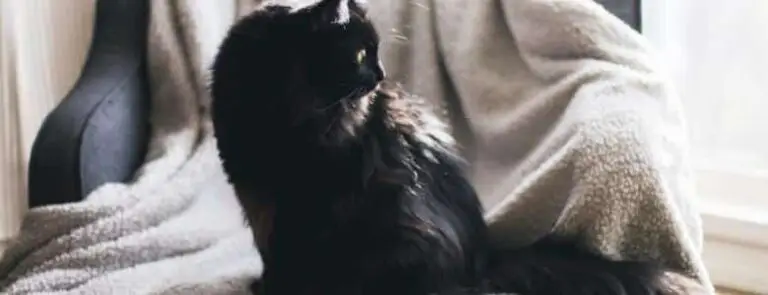
Black cats deserve a second look
Black cats have faced unfair judgement for centuries.
Once linked with superstition and witchcraft, they are now often overlooked for a far more modern reason – appearance. In a world shaped by social media, striking markings and lighter coats can attract more attention in photos, while black cats are too often passed over.
Sadly, this has had a real impact on rescue centres across the UK.
Many animal welfare organisations have reported that black and black-and-white cats make up a large proportion of the cats waiting for homes. Rescue teams have also spoken about how much harder it can be to rehome black cats compared with tabbies, gingers, and other more visually distinctive coats.
This is a real problem, not because black cats are any different in temperament, but because people are still making decisions based on appearance rather than personality.

Why are black cats often overlooked?
There is no medical, behavioural, or welfare-based reason for black cats to be less desirable pets.
The issue is largely perception.
Historically, black cats were associated with bad luck and folklore, and while most people no longer believe these myths, their cultural shadow has lingered. More recently, rescue centres have suggested that black cats can attract less attention online because they are harder to photograph well and may not stand out as easily in social media posts.
That may sound superficial, but when many adopters first meet rescue pets through pictures on websites or Facebook pages, it can affect which cats get enquiries first.
In some centres, a tabby kitten may receive significant interest in just a few days, while black kittens posted at the same time may attract little response. Over time, this creates a frustrating pattern – black cats simply wait longer.
The problem for rescue centres
When black cats are consistently chosen last, rescue spaces fill up more quickly.
Some rescue centres have reported that black cats make up the vast majority of cats in their care at certain times. That creates added pressure on charities, foster networks, and rehoming teams already working hard to cope with demand.
It also increases the risk of longer stays in rescue, which is not ideal for any cat. Even in the very best rescue environment, most cats thrive when they can settle into a stable, loving home.
This is why neutering remains so important.
Where large numbers of black cats are already struggling to find homes, preventing unwanted litters is a practical and compassionate step. Rescue organisations have rightly encouraged owners to neuter their cats to help reduce the number of kittens entering care in the future.
Do black cats make different pets?
Absolutely not.
A cat’s coat colour does not determine how affectionate, playful, confident, or gentle they will be. Personality is shaped far more by genetics, early handling, environment, and individual temperament than by fur colour.
Black cats can be just as loving, entertaining, loyal, and full of character as any other cat.
In fact, many black cat owners will tell you there is something especially elegant and charming about them. Their glossy coats, expressive eyes, and often striking features can be beautiful when you take the time to notice them.
The real message is simple – a cat’s value is never defined by how well they “show up” in a photograph.
What should potential adopters focus on instead?
When choosing a cat, it is far better to look at:
temperament and behaviour
energy levels and playfulness
confidence around people
suitability for your home and lifestyle
age, health, and care needs
These are the things that genuinely affect whether a cat will be a good match for you and your family.
A cat with a wonderful temperament does not become any less special because of a dark coat. If anything, overlooking black cats means many people may be missing out on truly lovely companions.
Good news – black cats do find loving homes
Although black cats may take longer to rehome, there is still plenty of hope.
Rescue centres continue to find happy endings for black cats, and some adopters actively seek them out. For many people, black cats are elegant, distinctive, and full of charm. Once they get to know them properly, colour quickly becomes irrelevant.
That is exactly how it should be.
Final thoughts
Black cats have carried unfair stereotypes for far too long.
From outdated superstition to modern image-led preferences, they have often been judged for reasons that have nothing to do with their nature or their ability to become wonderful pets. Yet behind every black cat waiting in rescue is the same thing any other cat offers – companionship, affection, comfort, and love.
Perhaps it is time we all looked beyond coat colour and focused on what really matters.
Because a black cat is not harder to love – only too often harder for people to notice.
If you are thinking about adopting, a black cat could be every bit the perfect companion you have been looking for.