



A Vet-Led Overview of DEFRA Rules for Exporting Pets from the UK:
Making sure you have the correct paperwork for your pets flight
Planning to export your dog or cat from the UK? DEFRA rules require specific health certificates, vaccinations and documentation depending on your destination country. Working with a vet-led pet travel specialist, such as PetAir UK, ensures everything is completed accurately to avoid delays or refused entry.
Exporting pets from the UK is a highly regulated process designed to protect animal health, public health and biosecurity worldwide. At PetAir, our veterinary-led team manages every stage of pet flight paperwork, helping owners navigate DEFRA export rules with confidence.
What are DEFRA rules for exporting pets from the UK?
The Department for Environment, Food and Rural Affairs (DEFRA) sets strict requirements for the export of pets. These rules vary depending on your destination country, airline regulations and whether your cat or dog is travelling commercially.
In most cases, you will need:
- A valid Animal Health Certificate or Export Health Certificate
- Up-to-date rabies vaccination
- Microchip identification compliant with ISO standards
- Additional parasite treatments or blood tests (depending on destination)
- Airline-approved travel documentation
Failure to meet these requirements can result in delays, quarantine or even refusal of entry.
Understanding Export Health Certificates (EHCs)
For most non-EU destinations, an Export Health Certificate (EHC) is required. This is an official document completed by an Official Veterinarian (OV) confirming your pet meets the destination country’s import requirements.
EHCs are:
• Country-specific
• Time-sensitive
• Legally binding documents
Many countries require the certificate to be endorsed by the Animal and Plant Health Agency (APHA), adding another critical step to the process.
You can learn more about Export Health Certificates in our blog here.
Pet Travel to the EU: Animal Health Certificates (AHCs)
If you are travelling to the EU or Northern Ireland, your pet will typically require an Animal Health Certificate instead of an EHC.
Key requirements include:
• Rabies vaccination at least 21 days before travel
• Microchipping before vaccination
• Travel within 10 days of certificate issue
Unlike pet passports previously used in the UK, AHCs must be issued for each trip. EU-issued pet passports (issued in EU countries or Northern Ireland) may still be accepted for travel. UK issued pet passports are not accepted.
Rabies Vaccinations and Blood Tests
A rabies vaccination is a core requirement for international pet travel. Some destinations, such as Australia, New Zealand and Japan, also require a rabies titre blood test. At PetAir, we will advise you on exactly what requirements your pet will need, depending on your destination.
Important considerations:
- Blood tests must be completed well in advance
- Waiting periods can range from 3 to 6 months
- Timing errors are one of the most common causes of delays
Tapeworm Treatments and Additional Requirements
Certain countries require tapeworm treatment before entry, particularly for dogs. This must be administered within a strict timeframe, often between 24 and 120 hours before arrival.
Other potential requirements include:
- Tick treatments
- Import permits
- Quarantine bookings
- Airline-specific crate approvals
Each destination has unique rules, which is why tailored guidance is essential.
Airline and IATA Compliance
In addition to DEFRA regulations, pet travel must comply with International Air Transport Association (IATA) Live Animals Regulations.
This includes:
- Airline-approved travel crates
- Correct labelling and documentation
- Fit-to-fly veterinary checks
Choosing the right crate size and ensuring your pet is comfortable is a key part of safe travel. Click here to learn about other airline regulations for pet travel, such as IATA and IPATA.
Common Mistakes When Exporting Pets
Many pet owners underestimate the complexity of international pet travel. Common issues include:
- Incorrect or incomplete paperwork
- Missed vaccination deadlines
- Using the wrong certificate type
Not allowing enough time for approvals
These mistakes can be costly and stressful, but they are entirely avoidable with expert support. Our team at PetAir UK are here to help!
How PetAir Helps You Meet DEFRA Requirements
Navigating DEFRA regulations can be complex, particularly when timelines, veterinary treatments and official documentation must align perfectly.
At PetAir UK, our vet-led team ensures every requirement is met accurately and on time. We support you by:
- Creating a tailored travel timeline based on your destination
- Managing rabies vaccinations, blood tests and treatment schedules
- Preparing and checking all DEFRA-compliant documentation
- Coordinating Export Health Certificates and APHA endorsements
- Liaising with airlines to ensure full compliance with travel regulations
With over 33,000 pets safely relocated to more than 300 destinations worldwide, we combine veterinary expertise with logistical precision to give you complete peace of mind.
Helpful Tips for Pet Owners
- Start planning at least 4 to 6 months before travel
- Keep all vaccination records organised – while you still need the physical documents for travel day, our CareTags act as a digital wallet of all your documents, all in one place
- Work with an experienced, vet-led pet travel provider
- Double-check destination-specific requirements – PetAir can sort all of this for you!

Frequently Asked Questions:
How long does it take to export a pet from the UK?
The timeline varies depending on the destination. Some countries require several months of preparation due to blood tests and waiting periods.
Do I need a pet passport to export my pet?
No, UK-issued pet passports are no longer valid for travel to the EU. An Animal Health Certificate or Export Health Certificate are required instead. EU-issues pet passports however, are still valid.
Can I complete pet travel paperwork myself?
While it is possible, the process is complex and errors can lead to delays or refusal of entry. Professional support is strongly recommended.
What happens if paperwork is incorrect?
Your pet may be denied entry, placed in quarantine or returned to the UK, which can be costly and distressing.
Are there breed restrictions for flying pets?
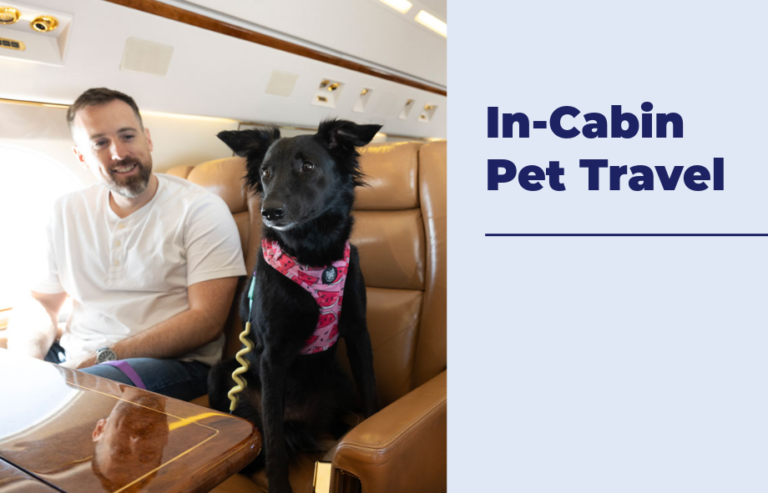
Some countries have banned breeds – you should be aware of these before traveling. Some airlines and countries also have restrictions on brachycephalic breeds due to health risks during air travel. PetAir’s private jet option within their Superior Package allows for snub-nosed breeds to fly any time of the year, right next to you on the plane.
Ready to Start Your Pet’s Travel Journey?
Planning your pet’s journey abroad? Give us a call to speak to our expert team or request a quote online today.
At PetAir, we are here to help every step of the way, making sure you meet all DEFRA (and all other) requirements.