



Planning an international move with your dog or cat can feel overwhelming. Between health certificates, airline requirements, import permits and travel crates, there is a lot to organise. Choosing the right pet shipping company is one of the most important decisions you’ll make.
A properly accredited and experienced pet transport company should be able to guide you through every stage of the journey while prioritising your pet’s welfare.
But how can you tell whether a company is genuinely qualified, or simply claims to be?
In this guide, we explain the key checks every pet owner should make before booking dog or cat flights, helping you travel with confidence and avoid costly mistakes. We also explain how PetAir UK (a fully accredited pet relocation company), can help with your pets move.
Quick Answer: How Do You Check If a Pet Shipping Company Is Accredited?
Before booking, you might want to:
- Verify any industry memberships they claim to hold
- Check whether they understand current pet travel regulations
- Ask about their experience with your destination country
- Review independent customer feedback
- Confirm they follow IATA animal transport standards
- Ensure they can support veterinary paperwork and health certificates
- Look for a strong focus on animal welfare, not just logistics
A reputable pet relocation company will be happy to answer these questions openly and provide evidence where needed.
Why Accreditation Matters When Flying Pets
International pet travel is highly regulated.
Different countries have different requirements for:
- Microchipping
- Rabies vaccinations
- Blood testing
- Export Health Certificates
- Import permits
- Quarantine procedures
- Airline-approved travel crates
Mistakes can lead to travel delays, refused entry, additional costs or unnecessary stress for your pet. Regulations are set into place to make sure your pet is safe, and their whole journey meets specific standards.
Accredited pet transport companies invest in training, professional development and compliance systems that help reduce these risks.

1. Verify Any Industry Memberships
One of the easiest ways to check a company’s credibility is to verify its professional memberships.
IPATA Membership
The International Pet and Animal Transportation Association (IPATA) is one of the best-known organisations in the global pet transport industry. PetAir UK is part of this!
IPATA members must meet specific standards and commit to professional best practices.
Don’t simply take a company’s word for it.
Instead:
- Visit the IPATA website
- Search the membership directory
- Confirm the company appears as an active member
Membership alone does not guarantee quality, but it is often a positive sign that a company takes industry standards seriously.
2. Check Their Understanding of IATA Regulations
The International Air Transport Association (IATA) publishes the Live Animals Regulations, which are widely recognised as the global standard for transporting animals by air. Airlines use these regulations to help ensure animals travel safely and humanely.
A knowledgeable pet shipping company should be able to explain:
- IATA-compliant crate requirements
- Airline-specific restrictions
- Breed considerations
- Transit procedures
- Temperature restrictions
- Flight routing options
If a company struggles to answer basic questions about airline requirements, that should raise concerns.
3. Ask About Veterinary Support
International pet travel involves far more paperwork than most owners realise.
Depending on your destination, you may need:
- Export Health Certificates
- Animal Health Certificates
- Rabies vaccination records
- Rabies blood test results
- Import permits
- Official veterinary endorsements
The UK Government requires pets travelling to many destinations to have Export Health Certificates completed and signed by an Official Veterinarian.
A reputable pet relocation company should have strong veterinary knowledge and be able to explain the process clearly. At PetAir, we are a vet-led company, who can assist and advise on all of your travel paperwork – we understand the full process.
4. Review Their Experience With Your Destination
Pet travel requirements vary enormously between countries.
Flying a dog to France is very different from relocating a cat to Australia, New Zealand, Singapore or South Africa.
Ask:
- Have you relocated pets to my destination before?
- How many pets have you transported there?
- Are there any country-specific challenges?
- What timelines should I expect?
Experienced companies can often identify potential issues before they become problems. At PetAir, we have relocated over 33,000 pets to 300+ destinations worldwide. If you have any country specific questions though, please don’t hesitate to ask us.
5. Read Independent Reviews
Online reviews can provide valuable insights into a company’s service quality.
Look beyond star ratings and read the actual comments.
Pay attention to feedback relating to:
- Communication
- Organisation
- Reliability
- Welfare standards
- Problem solving
- Travel updates
A long track record of positive reviews is often a stronger indicator than marketing claims.
6. Ask About Animal Welfare
The best pet shipping companies focus on pets first and paperwork second.
They should be able to advise on:
- Crate training
- Travel preparation
- Breed-specific considerations
- Senior pets
- Nervous pets
- Veterinary assessments
Animal welfare should feature prominently throughout their process.
If most conversations focus solely on flights and prices, that may indicate a more transactional approach.
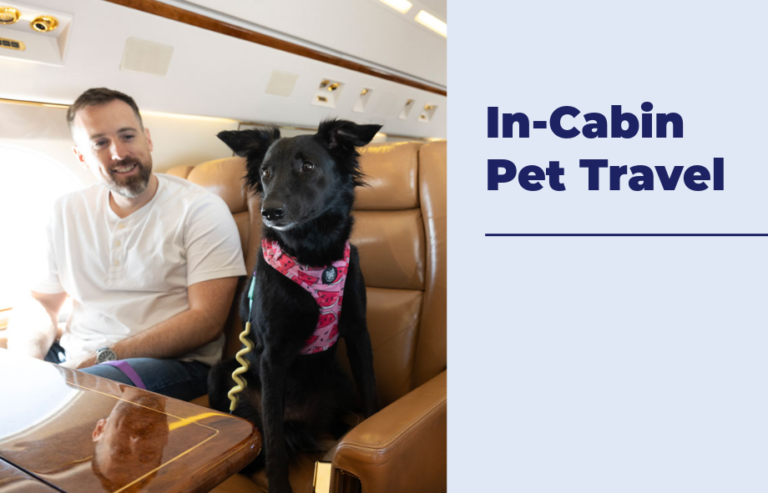
We know how precious your pet is to you, that’s why we do everything we can to make sure they are comfortable. From online crate training, and bespoke travel crates – to in-cabin options for senior, large or brachycephalic dogs. We understand how each dog is different and requires personal attention.
7. Check Whether They Offer Bespoke Travel Planning
No two pets are the same.
A Chihuahua flying to Spain and a Maine Coon cat travelling to Australia will have very different requirements.
A quality pet relocation company should offer tailored guidance rather than a one-size-fits-all solution.
This may include:
- Custom travel itineraries
- Bespoke pet carriers
- Veterinary scheduling
- Flight route optimisation
- Door-to-door transport options
Red Flags to Watch For
Be cautious if a company:
- Cannot verify memberships or credentials
- Avoids discussing regulations
- Offers unusually cheap pricing
- Has very few reviews
- Cannot explain documentation requirements
- Has little experience with your destination
- Provides vague answers about animal welfare
When it comes to international pet travel, expertise matters.

Questions to Ask Before Booking
Before choosing a pet shipping company, here are some questions you might want to ask:
- What professional memberships do you hold?
- How many pets do you relocate each year?
- Have you managed relocations to my destination before?
- What support do you provide with health certificates?
- How do you ensure pets travel safely?
- Which airlines do you work with?
- What happens if travel plans change?
- Can you provide recent customer references?
Frequently Asked Questions at PetAir UK
How do I know if a pet shipping company is legitimate?
Look for professional memberships, transparent contact details, independent reviews, destination-specific expertise and clear explanations of current pet travel requirements.
Is IPATA membership mandatory?
No. However, IPATA membership is widely recognised within the pet transport industry and is often considered a positive indicator of professionalism.
What qualifications should a pet transport company have?
They should demonstrate knowledge of current pet travel regulations, airline requirements, health certification processes and animal welfare standards.
Can a pet shipping company organise health certificates?
Many specialist pet relocation companies can coordinate veterinary appointments and assist with Export Health Certificate requirements, although certificates must be completed by authorised veterinarians.
How far in advance should I start planning pet travel?
For straightforward destinations, several weeks may be sufficient. For countries with more complex import requirements, preparation can begin several months before travel.
Are all pet travel crates the same?
No. Travel crates must meet airline and IATA requirements, and the correct size depends on your pet’s measurements. PetAir will make sure everything with your pet’s crate is correct.
Why Pet Owners Choose PetAir
When relocating a beloved family pet, experience and expertise matter.
PetAir is owned and run by vets and has safely relocated more than 33,000 pets to over 300 destinations worldwide. Our team combines veterinary knowledge with decades of practical pet travel experience, helping dogs and cats travel safely, comfortably and in full compliance with destination requirements.
Whether you’re moving to Australia, New Zealand, the USA, Europe, Asia or beyond, we can guide you through every stage of the journey.
Ready to start planning your pet’s journey?
Got any questions about our accreditations? Give us a call and our expert team will be happy help. We can also discuss your pet’s travel plans and help you choose the safest route to your new home.