


Choosing the right pet travel crate is one of the most important steps when preparing your dog or cat for an international journey. Wherever you are relocating to, an IATA approved travel crate is essential for flight safety, comfort and airline compliance. With over 33,000 pets safely transported worldwide, PetAir’s veterinary led team has extensive experience in crate selection and airline requirements, ensuring pets fly securely and confidently. At PetAir, we build and provide our own custom crates – making your journey even more stress-free!
What we will cover in this blog: (click the section to skip to the information you want)
- Why IATA Approved Crates Matter
- How to Measure Your Dog or Cat for the Correct Crate Size
- Airline Rules Every Pet Owner Should Know
- Preparing Your Pet for Their Travel Crate
- Bedding, Comfort and Safety Inside the Crate
- Long Haul Pet Travel: Extra Considerations
- Bespoke Crates for Specialist Breeds and Big Travellers
- Ready to Make the Next Step in Relocating Your Pet?
Why IATA Approved Crates Matter
The International Air Transport Association (IATA) sets globally recognised standards for flying live animals. Airlines rely on these rules to ensure every pet on board is protected throughout the journey. Using a non-compliant crate can lead to delays, denied boarding or unnecessary stress for your pet.
IATA approved crates must:
- Be made from a rigid, durable material such as tough plastic, fiberglass, plywood or solid wood.
- Have ventilation panels on all four sides
- Include a strong metal door with a reliable, spring loaded locking mechanism
- Have a leak proof base with absorbent bedding
- Have no wheels attached at the time of travel
- Provide enough internal space for pets to stand, lie down and turn around comfortably
A properly sized crate is vital. Too small and your pet may feel cramped or anxious. Too large and they may be unstable during turbulence.
How to Measure Your Dog or Cat for the Correct Crate Size
Many people ask, “what size pet travel crate does my dog or cat need for flying?”. It’s all down to your pet’s size and needs. Here is how to measure you pet correctly.
Accurate measurement is key to selecting the correct crate. Airlines will check these measurements carefully, and they must match IATA guidelines.
For dogs and cats, use the official measurement method:
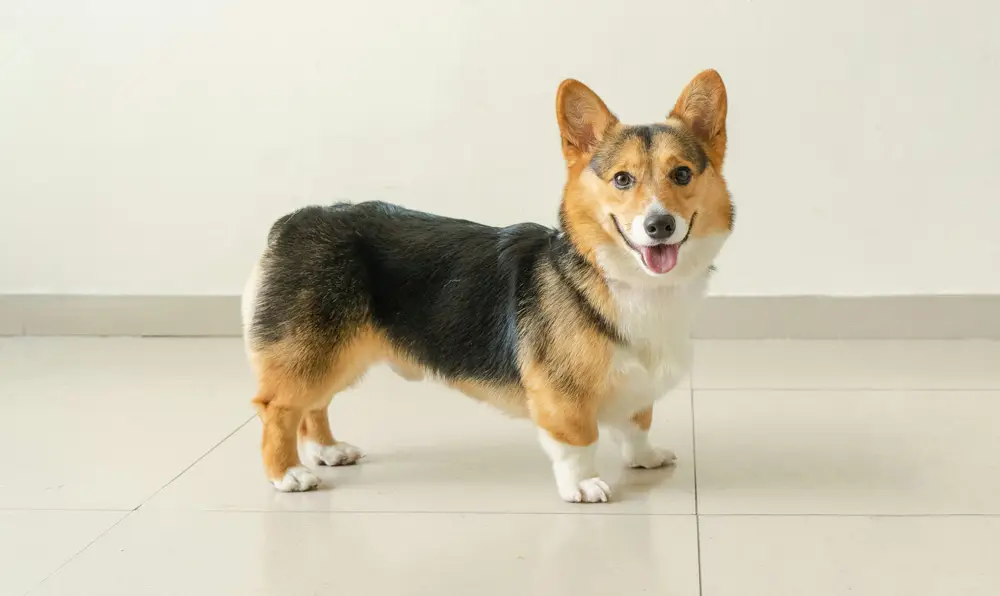
- A – Length: Tip of nose to base of tail
- B – Height: Floor to top of ears or highest point of head
- C – Width: Shoulder width multiplied by two
These measurements help determine the minimum crate size, but adding a little extra space is advised for comfort, especially for giant breeds or nervous pets.
Brachycephalic breeds such as Bulldogs, Pugs and Persian cats may require larger crates or increased ventilation due to their unique respiratory needs. Our PetAir specialist can assess their requirements individually, and make sure they are provided with the correct crates.
For more information on how to measure your pet currently for a travel crate, click here to read our blog on it.
Airline Rules Every Pet Owner Should Know
Each airline may add its own specific rules on top of IATA regulations. These exist to protect your pet during loading, flight and transfers. Common requirements include:
- Two water bowls attached securely inside the door
- Cable ties locking each corner of the crate
- Clear labelling with your name, contact details and your pet’s ID
- One pet per crate, except for some young littermates
- Adequate bedding to absorb accidents and maintain comfort
- No toys, leads or metal bowls inside the crate
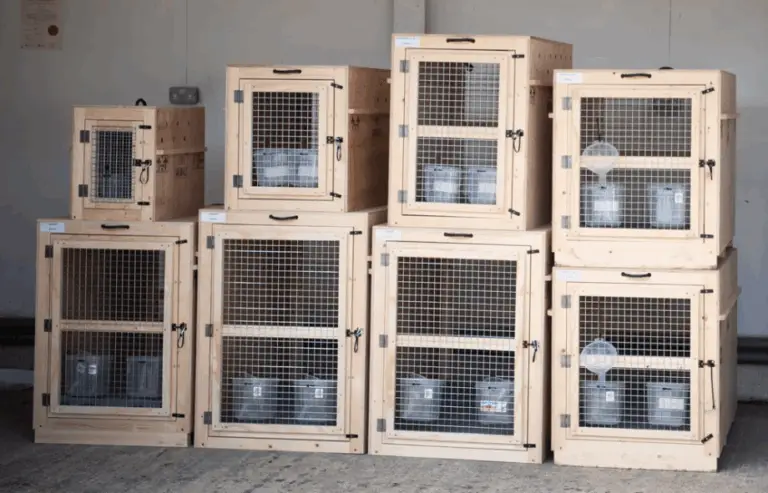
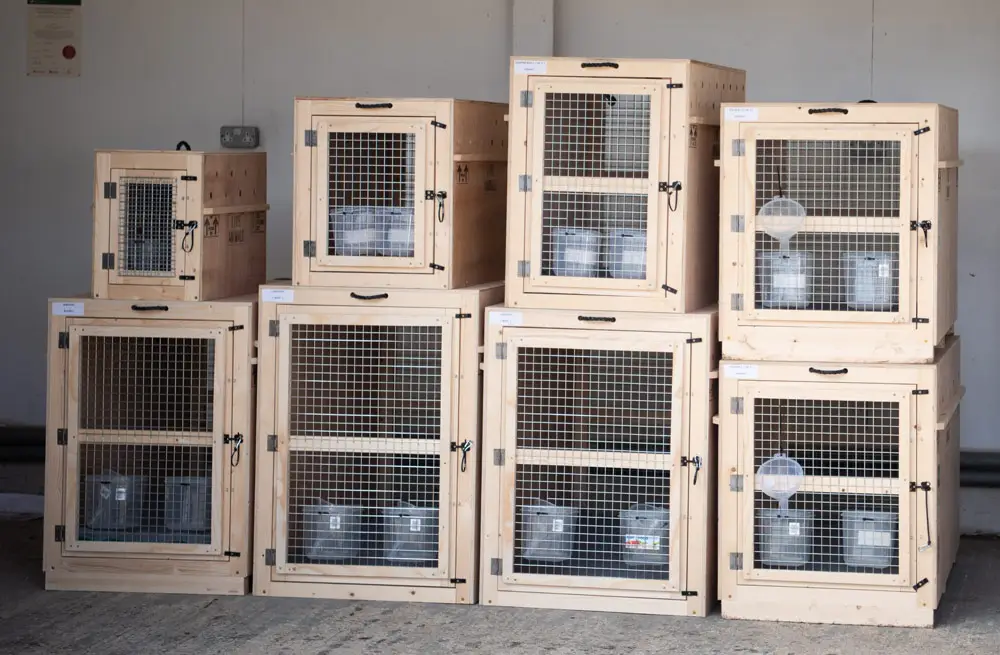
Some airlines require bespoke wooden crates, particularly for very large dogs or breeds that need reinforced structures. PetAir builds custom crates by hand in the UK to exact airline specifications, ensuring full compliance for even the most complex relocations.
Preparing Your Pet for Their Travel Crate
Simply buying the right crate isn’t enough; pets also need time to get used to it. Early familiarisation reduces anxiety and helps create a calm travel experience.
Top crate training tips include:
- Introduce the crate at least two to four weeks before travel
- Leave the crate open in your home with treats or toys inside
- Feed your pet inside the crate to create a positive association
- Allow them to nap inside it during the day
- Avoid forcing your pet into the crate, which can increase anxiety
A comfortable, calm pet adjusts far more easily to the journey.
Click the links of the following blogs to learn more about preparing your pet for their travel crate:
- Top Tips for Crate Training Your Dog Before Air Travel
- Crate Training and Comfort: Preparing Your Pet to travel to the USA
At PetAir, we also provide 24/7 online vet access, including behaviour training and advice on crate training. Click here to learn more about our 24/7 online vet access.
Bedding, Comfort and Safety Inside the Crate
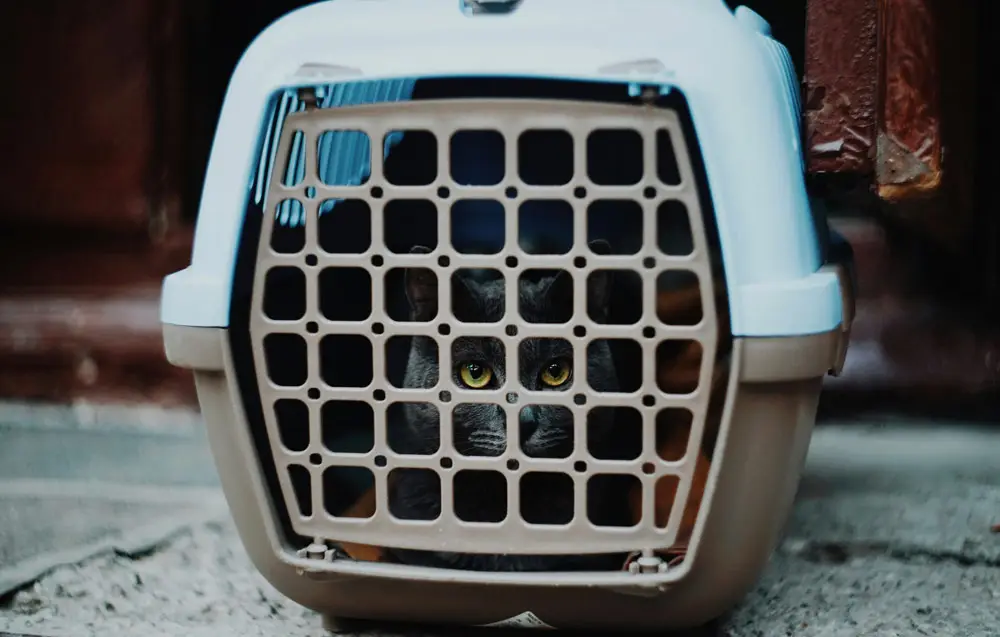
Airlines may open and inspect crates on travel day, so use only airline approved items. Make sure you check your airlines specific regulations before adding any items. If unsure, PetAir can provide advice.
Recommended comfort features include:
- Absorbent, vet bed style fleece to wick away moisture
- A familiar, unwashed T shirt to provide a comforting scent
- For cold destinations, consider an insulated crate liner
- Please note, no toys are allowed inside the crate
Important: Most UK veterinary bodies, including the British Veterinary Association, advise against sedation for air travel. Sedated animals can struggle to regulate temperature and breathing at altitude. Only sedate your pet if specifically instructed by a vet for medical reasons.
Long Haul Pet Travel: Extra Considerations
Flights to destinations like Australia, New Zealand or South Africa can be long and involve multiple handling points. In these cases, crate strength, ventilation and comfort are more important than ever.
For long haul flights:
- Choose a crate with ventilation on all sides
- Ensure secure fasteners that can withstand several hours of movement
- Add extra bedding for cushioning
- Use spill resistant water bowls
- Let your pet spend regular, calm time in the crate before departure
PetAir’s team includes vets and experienced animal handlers who assess your pet’s breed, behaviour and travel route to recommend the correct crate setup.
Bespoke Crates for Specialist Breeds and Big Travellers
Some dogs, such as Great Danes, Mastiffs or very broad chested breeds, simply do not fit into standard crate sizes. Others may need reinforced walls due to behavioural or medical considerations.
PetAir’s bespoke handmade crates offer:
- Extra height, width or depth
- Special ventilation panels
- Reinforced structures for large or anxious dogs
- Custom cut flooring and padding
- Airline compliant materials that meet IATA LAR standards
These crates ensure even the most complex travellers enjoy a safe, secure and comfortable journey overseas.
Ready to Make the Next Step in Relocating Your Pet?
Choosing the right pet travel crate is one of the most important ways to keep your dog or cat safe and comfortable during air travel. From selecting the correct IATA approved size to understanding airline rules and preparing your pet properly, a little planning goes a long way.
PetAir’s vet led team has flown more than 33,000 pets to over 300 global destinations, and we are here to support you at every step of the relocation process. From advice to providing the perfect crate – we’ve got you sorted!
Got any questions about travel crates, or further queries about your pet travel journey – give us a call.