



What Will My Pet Experience During a Flight?
Noise, Temperature and Comfort in the Hold
If you’re planning to relocate your pet by air, it’s completely natural to worry about what they’ll experience during the journey. The reassuring truth is that when pets fly in the hold of a commercial aircraft, they are transported in a specially designed, temperature-controlled and pressurised environment, very similar to the passenger cabin. With the right preparation, flying is safe and comfortable for the vast majority of dogs and cats.
Understanding exactly what happens behind the scenes can help you feel confident and prepared.
How Safe Is the Aircraft Hold for Pets?
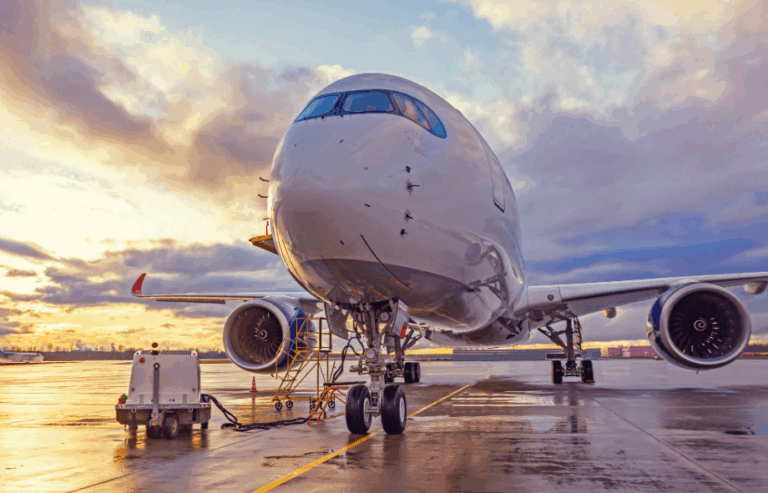
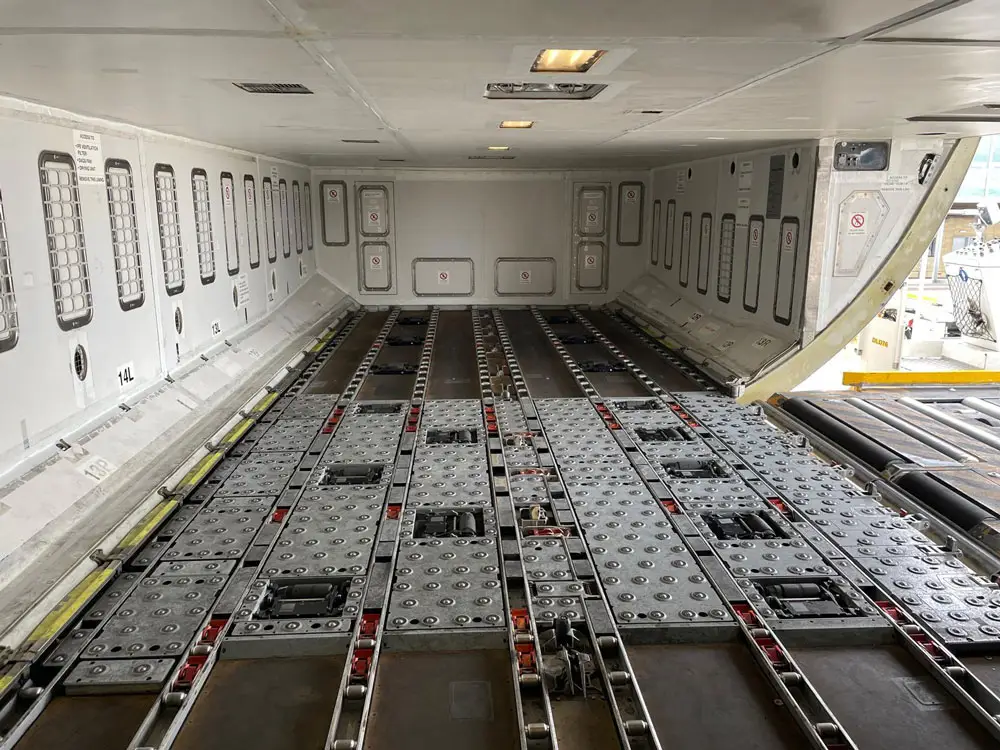
Modern aircraft used for pet travel have dedicated live animal holds. These are not the same as standard cargo areas.
They are:
- Fully pressurised, just like the passenger cabin
- Temperature-controlled, typically maintained between 15°C and 25°C
- Dimly lit to encourage calm behaviour
- Handled by trained ground crew
Airlines operating under UK and international animal welfare regulations follow strict protocols. According to IATA Live Animals Regulations, which govern global pet transport, conditions must prioritise safety, ventilation and comfort at every stage.
Noise Levels: What Your Pet Hears
One of the biggest concerns for owners is noise.
During loading and unloading, pets may briefly hear:
- Engine noise
- Ground vehicles
- Airport activity
However, once inside the hold during flight, noise levels are significantly reduced. The hold is insulated, and the constant hum of the aircraft often becomes a form of “white noise”.
For many pets, especially dogs accustomed to travel crates, this steady sound can actually be soothing.
Tips to help your pet cope with noise:
- Familiarise them with their travel crate weeks in advance
- Include a blanket or bedding that smells like home
- Avoid last-minute stress before departure
Temperature: Carefully Controlled for Comfort
Temperature is one of the most tightly managed aspects of pet air travel.
Contrary to common myths, pets are not exposed to extreme cold or heat during flight. Airlines maintain a stable climate in the hold, similar to the cabin.
That said, temperature matters most during:
- Ground handling
- Boarding and unloading
Professional pet relocation companies carefully plan flights to avoid:
- Extreme weather conditions
- Long tarmac delays
- Peak heat or freezing temperatures
At PetAir, routes are selected with your pet’s comfort in mind, whether flying pets safely to Australia, the USA, across Europe or anywhere in the world.
Some airlines have seasonal embargos due to temperature, and pets such as snub-nosed breeds may be affected the most. For these cases, alternative travel options can sometimes be provided, such as in-cabin pet travel.
Comfort in the Hold: Your Pet’s Personal Space
Your pet travels in an airline-approved crate designed to provide safety, ventilation and enough room to stand, turn and lie down comfortably.
A well-prepared crate includes:
- Absorbent bedding
- Secure water containers
- Ventilation on multiple sides
- Familiar scents from home
The crate acts as a safe den, helping reduce anxiety.
Key comfort tips:
- Crate train your pet well before travel
- Avoid sedation, as it can interfere with breathing and balance*
- Invest in a calm spray, such as Pet Remedy, to help you acclimatise your pet with the crate
- Ensure your pet has had appropriate exercise before the journey
*Veterinary guidance in the UK strongly advises against sedating pets for flights, as it can increase health risks at altitude.
PetAir provide 24/7 online vet access. This includes behaviour and crate training prior to their flight. Learn more about our 24/7 vet access here.
What Happens During the Flight?
Here’s a simple step-by-step overview:
- Check-in and health documentation review
- Secure loading into the aircraft hold
- Climate and pressure systems activated
- Calm, dimply lit environment during flight
- Careful unloading by trained staff
- Transfer to arrivals or onward travel
Pets are handled as priority cargo, meaning they are often among the first loaded and unloaded.
Common Myths About Pets in the Hold
Let’s clear up a few misconceptions.
Myth: The hold is freezing.
Fact: It is temperature-controlled and monitored throughout the flight.
Myth: Pets are handled by baggage handlers.
Fact: Specialist pet travel staff will be responsible for the loading and off loading of your pet.
Myth: Flying is traumatic for all pets.
Fact: With proper preparation, most pets travel calmly and safely. In-fact, for many pets, the cargo hold is a much calmer and stress-free area compared to in-cabin travel.
How to Prepare Your Pet for a Comfortable Flight
Preparation makes all the difference.
Before travel:
- Visit your vet for a full health check
- Ensure vaccinations and paperwork are up to date
- Gradually introduce the travel crate
- Stick to normal feeding routines, with slight adjustments before departure
On the day:
- Provide a light meal several hours before travel
- Ensure access to water
- Keep your own behaviour calm and reassuring
Frequently Asked Questions
Is it stressful for dogs and cats to fly in the hold?
Most pets cope very well, especially when crate trained and prepared properly. The quiet, dim environment often encourages rest during the journey.
How cold is the cargo hold for pets?
It is not cold. The hold used for animals is temperature-controlled, typically between 15°C and 25°C.
Can I put toys or blankets in the crate?
Toys are not allowed. However a blanket or piece of clothing with a familiar smell might be allowed, depending on the airline. Familiar bedding is encouraged as it provides comfort.
Do pets get oxygen during flights?
Yes. The hold is pressurised and ventilated, providing the same oxygen levels as the passenger cabin.
Are some pets not suitable for flying?
Certain breeds, particularly brachycephalic (flat-faced/snub-nosed) dogs and cats, may require special assessment. Always consult your vet and a professional pet relocation service. At PetAir, we will make sure your pet, whatever breed, takes the most suitable and safest journey for them.
Supporting Your Pet’s Journey
Understanding what your pet experiences during a flight can make the process far less daunting. With expert planning, the right crate and veterinary guidance, air travel is a safe and efficient way to relocate pets worldwide.
PetAir has successfully relocated over 33,000 pets across more than 300 destinations, providing bespoke care tailored to each animal’s needs.
For more details on where pets travel in an aircraft, click here read our blog on this.
Ready to start planning a move with your pet? Speak to our expert team today (details below) or request a quote online.