




Travelling internationally with a young pet comes with a few extra considerations, and getting the timing right can make the whole process much easier. From choosing the right travel crate to preparing your puppy or kitten for the journey, here’s what we recommend thinking about before you fly.
The biggest issue we see when it comes to relocating a puppy or kitten is timing. Many destinations require rabies vaccination before travel, and in Great Britain a pet must be at least 12 weeks old before receiving its rabies vaccination. For travel to many EU destinations, there is also a minimum waiting period after the first rabies vaccination. Your airline and destination country may have additional requirements, so it is important to plan the journey around your pet rather than simply booking the earliest available flight.
As a veterinary-led pet travel company, we understand that travelling with a young pet brings extra questions, from vaccination timing and crate training to feeding, stress and paperwork.
How old does a puppy or kitten need to be to fly internationally?
There is no single worldwide minimum age for international pet travel. Airline policies, national entry rules and the route itself all matter. IATA guidance states that unweaned animals and puppies or kittens under 8 weeks should not travel in the cabin, but airlines and destination countries can set stricter requirements. For UK pet travel, the practical minimum can be considerably older because rabies vaccination cannot be given before 12 weeks of age and the required post-vaccination waiting period must then be completed.
This is why a puppy or kitten that is only a few weeks old may not be legally or practically ready to fly internationally. When we are planning a pet relocation, we always recommend establishing your pet’s earliest legal travel date first, rather than working backwards from a preferred departure date. Once you know when your pet can legally travel, you can start planning the flight around that date.
Vaccinations and health checks: plan around your pet’s age
Young pets are still developing their protection against infectious disease. The 2024 WSAVA vaccination guidelines recommend multiple core vaccine doses for puppies and kittens, with the final core dose generally given at 16 weeks of age or older. In the UK, BSAVA also recommends risk-based vaccination, with core vaccines for dogs including distemper, hepatitis, parvovirus and leptospirosis, while cat vaccination should be tailored to the individual animal and its circumstances.
Rabies is separate from routine puppy or kitten vaccinations. For travel from Great Britain, your pet must be microchipped before or at the same time as the rabies vaccination. For travel to the EU, the first rabies vaccination must be completed and the required waiting period observed before travel. Some destinations also require a rabies blood test and a longer preparation period.
When we are helping owners plan a journey, we recommend speaking to your vet early so there is plenty of time to make sure everything is in place.
Before you travel, ask your vet to assess:
- Your pet’s overall health and suitability for air travel
- Their vaccination history and whether any additional vaccines are appropriate for the destination
- Their rabies vaccination and microchip records
- Any breed-specific or respiratory concerns
- Parasite prevention and destination-specific disease risks
- Feeding, hydration and medication plans for travel day
International pet travel paperwork for puppies and kittens
Paperwork is one of the most time-sensitive parts of an international pet journey. Depending on the destination, you may need a pet passport, Animal Health Certificate, Great Britain pet health certificate, import permit, rabies blood test, parasite treatment or other veterinary certification.
For example, a pet travelling from Great Britain to an EU country generally needs an Animal Health Certificate issued by an official veterinarian. The certificate must be issued within the required timeframe before entry, and the pet must already have a valid rabies vaccination and completed the necessary waiting period.
Rules can change and differ between countries, so we always recommend checking the requirements for your exact destination, transit countries and airline before booking. A previous journey to the same country is not necessarily a reliable template, particularly if the rules or your pet’s circumstances have changed.
International pet travel can involve several different requirements, which is why many owners choose to work with a professional pet relocation company such as PetAir UK. This can be particularly helpful when travelling with a young pet, as vaccination timings, waiting periods and airline requirements all need to line up.
Click here to learn more about why you should choose PetAir UK to sort your young pet’s travel documents.
Getting a puppy or kitten ready for its travel crate
Crate training should begin as early as possible. In our experience, the aim is not simply to get your puppy or kitten inside a crate, but to make the crate feel like a familiar, safe place well before travel day.
- Leave the crate open at home and allow your pet to investigate it at their own pace.
- Use positive reinforcement, such as treats, food or calm praise, to build a positive association.
- Gradually increase the amount of time your pet spends inside.
- Practise short periods with the door closed before progressing to longer sessions.
- Introduce normal household sounds and gentle movement so the crate does not feel completely unfamiliar on travel day.
The crate must be correctly sized and meet the relevant airline and IATA requirements. Your pet needs enough space to stand naturally, turn around and lie down comfortably. At PetAir, we supply IATA-approved travel crates sized to the individual pet.
PetAir offers 24/7 online vet access, which includes crate training advise – helping prepare your pet for their journey in the best possible way.
Should you sedate a puppy or kitten before a flight?
Sedation should not be used simply to make air travel easier. Sedatives can affect an animal’s ability to respond to changes in their environment and may increase health risks during transport. Airlines may also refuse animals that appear sedated.
If your puppy or kitten is particularly anxious, speak to your vet well before travel. We find that behaviour preparation, gradual crate training and appropriate planning are generally more useful than trying to make a pet sleepy for the journey.
What should a puppy or kitten eat before flying?
Feeding should be planned around your pet’s age, health, journey length and airline requirements. Young animals have different nutritional and hydration needs from adults, so there is no universal feeding schedule that suits every puppy or kitten.
We recommend asking your vet and pet travel provider for a travel-day plan. Avoid introducing a new food immediately before departure, and make sure your pet has access to appropriate water arrangements during the journey.
Extra considerations for young or vulnerable pets
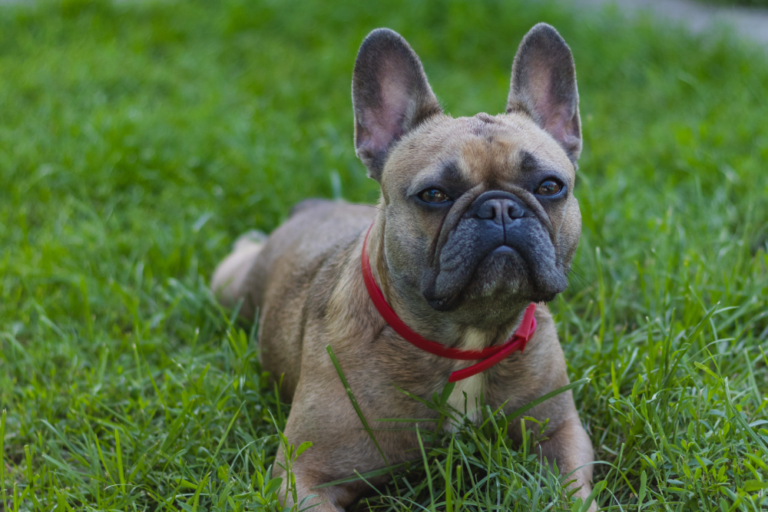
Some puppies and kittens may require additional assessment before flying. This is particularly important for flat-faced breeds, pets with respiratory problems, very small animals or pets with an underlying health condition. IATA and veterinary guidance highlight the need to consider health, breed and airline restrictions before travel. Click here to learn more about flying a snub-nosed breed.
Temperature is another consideration we take into account when planning a pet journey. Your route, airport, aircraft, season and ground-handling arrangements can all affect the journey. A veterinary-led pet relocation company can help you identify potential issues before the flight is booked.
A simple puppy or kitten international travel checklist
- Confirm the destination’s import requirements
- Check airline and route restrictions
- Microchip your pet before or at the same time as rabies vaccination where required
- Plan routine and rabies vaccinations with your vet
- Allow enough time for any blood tests and waiting periods
- Arrange the correct travel document and veterinary certification
- Start crate training well before departure
- Prepare a suitable feeding and hydration plan
- Check parasite and disease risks at the destination
- Confirm all documents and travel arrangements before flight day

Frequently asked questions about flying with puppies and kittens
Can an 8-week-old puppy fly internationally?
Not necessarily. IATA guidance says unweaned animals and puppies or kittens under 8 weeks should not travel in the cabin, but destination and airline rules can be stricter. UK rabies requirements also mean that a young puppy or kitten must be older before it can travel (12+ weeks old).
Can a kitten fly internationally before its vaccinations are complete?
It depends on the destination, but international travel requirements can require rabies vaccination and a waiting period before travel. Routine vaccination also needs to be planned around the kitten’s age and disease risk. Ask your vet and check the exact destination rules.
How long does it take to prepare a puppy or kitten for international travel?
It varies. Some journeys can be arranged in weeks, while others take several months because of rabies blood tests, import permits or destination-specific requirements. Starting early gives you more options.
Is flying stressful for puppies and kittens?
Air travel can be stressful, particularly if a young pet has never been in a crate or experienced unfamiliar environments. Gradual crate training, careful route planning and veterinary advice can help reduce avoidable stress.
Can puppies and kittens travel together in the same crate?
IATA rules allow some young puppies or kittens to travel together where specific conditions are met, but national and airline rules can differ. They generally need to be from the same litter, weaned, under the relevant age and within the applicable weight limits. Always confirm the exact requirements for your journey.
How PetAir UK can help with a young pet’s international journey
International travel with a puppy or kitten involves more than finding a suitable flight. As an experienced pet travel company, PetAir UK can help coordinate the journey, including flight arrangements, travel crates, veterinary requirements and destination paperwork.
When we are planning a journey with a young pet, we look at the whole process rather than just the flight itself. This includes the timing of vaccinations and paperwork, the travel crate, the airline and route, and any additional requirements that could affect the journey.
For owners who want additional reassurance, PetAir’s 24/7 Vet-Led Travel Prep includes access to UK-registered vets, personalised behaviour support and nutrition advice before departure.
Ready to plan your young pet’s journey? Request a quick PetAir UK quote below.