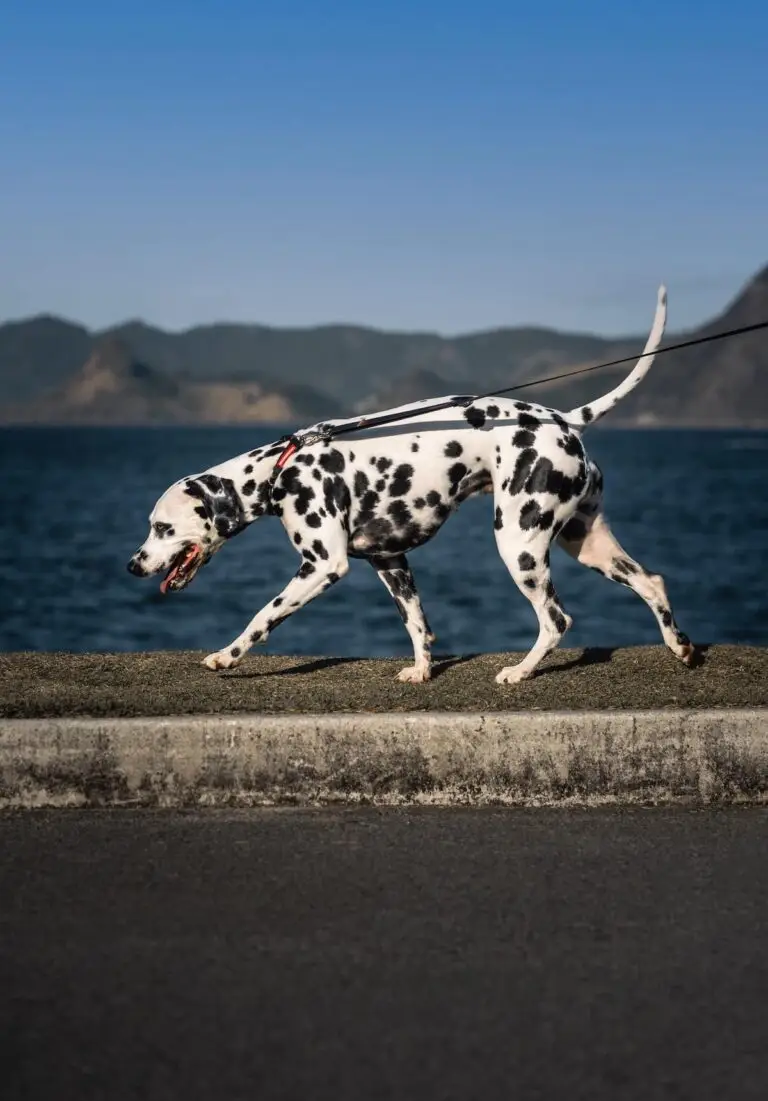






Discover What Makes Golden Retrievers a Globally Loved Breed—From Family Companions to Confident World Travellers
Golden Retrievers are celebrated as loyal, intelligent, and beautifully affectionate companions. Their friendly nature makes them incredible family pets, but their large build and specific health requirements mean they need specialised care – especially when flying long-distance. At PetAir UK, we ensure large breeds experience a smooth, stress-free relocation journey.
The following 10 evidence-backed facts and owner care tips explore this remarkable breed.

1. They were bred as gun dogs and water retrievers
Golden Retrievers were originally developed in Scotland in the mid-19th century as gun dogs. They were designed to retrieve shot waterfowl, earning their name “retriever”. Their gentle mouth (often called “soft mouth”) allowed them to carry game without damaging it. Over time, this trait also made them ideal candidates for roles like guide dogs, therapy dogs, and search & rescue.
2. Their ancestry includes Water Spaniel lineage
Early attempts to produce a dog capable of retrieving on land and in water led breeders to cross yellow retrievers with (now extinct) Tweed Water Spaniels and other spaniel types. These crosses helped produce the versatile, water-loving dogs we know today.
3. Official recognition came relatively late
In the UK, the Kennel Club first recognised Golden Retrievers as a distinct breed in 1911. In the US, the American Kennel Club accepted them in 1925.
4. Presidents loved them too
Two U.S. Presidents – Gerald Ford and Ronald Reagan – owned Golden Retrievers. Their presence in the White House helped cement the breed’s image as friendly, trustworthy family dogs.

5. World record “soft mouth” trick
Augie, a Golden Retriever from Dallas, set a Guinness World Record for holding five tennis balls in his mouth simultaneously. This highlights the breed’s characteristic gentle grip and willingness to retrieve. However, we’d always caution against unsupervised play with small items due to choking risk.
6. One of the world’s favourite breeds
Golden Retrievers consistently rank among the most popular dog breeds in the US and the UK. Their balanced temperament, trainability, and versatility make them a top pick for families and working roles alike.
7. Lifespan is typically 10 to 12 years
On average, Golden Retrievers live between 10 and 12 years. (Some studies in Europe suggest slightly longer lifespans in well-cared dogs under ideal conditions). Nonetheless, due to breed predispositions, owners should remain vigilant about regular health checks and early detection of disease.
8. They face higher cancer risk than many breeds
Sadly, cancer is the leading cause of death in Golden Retrievers, especially in mature dogs. Around 50–60 % of Golden Retrievers in the US succumb to cancer, though European figures tend to be lower (20–40 %) depending on breeding lines. Common cancers include hemangiosarcoma, lymphoma, mast cell tumours, and osteosarcoma. Early detection (e.g. regular vet checkups, blood tests and ultrasounds) can improve outcomes.

9. Their coat is more than just beautiful
Golden Retrievers have a double coat: a dense, insulating undercoat plus a wavy or flat outer coat that is somewhat water-resistant. This coat design helps them adjust to seasonal temperature changes and love of water, but also means they shed year-round – especially during “blow-outs” in spring and autumn.
To manage the coat:
- Brush at least 2–3 times per week, daily during heavy shedding
- Bathe only when needed, using gentle, dog-friendly shampoos
- After swimming, especially in sea or rivers, rinse and dry coat thoroughly to reduce skin infections
10. They excel as working dogs (Which makes crate training much easier)
Golden Retrievers’ stellar temperament – friendly, highly intelligent, and eager to please – makes them premier choices for guide, therapy, and search-and-rescue work. Because they thrive on positive reinforcement and tasks, this high trainability is a massive advantage when preparing your Golden Retriever for a major relocation.
Flying a large breed long-distance requires them to be perfectly settled inside an IATA-approved flight crate. Because Goldens love having a “job,” crate training them ahead of the move is incredibly successful. However, managing the full timeline – including flight bookings, customs clearance, and complex veterinary import paperwork – requires professional handling.
At PetAir UK, we leverage our experience of flying 33,000+ pets to coordinate your Golden Retriever’s entire journey seamlessly, ensuring they receive VIP treatment from doorstep to destination.

Tips for Golden Retriever Owners (UK Edition)
Here are practical tips to help your Golden thrive:
- Choose a responsible breeder: Ask to see health certificates (hips, elbows, eyes). The Golden Retriever Club UK supports various health schemes to reduce inherited conditions.
- Maintain an ideal weight: Golden Retrievers are prone to obesity, which exacerbates joint problems and shortens lifespan. Feed high-quality kibble, monitor portions, and avoid over-treating.
- Balanced exercise routine: They need around 1–2 hours daily of mixed physical and mental stimulation: walks, swimming (a favourite), fetch, scent games. Avoid excessive exercise in young puppies while joints are developing.
- Grooming & ear care: Brush regularly, check for mats, and inspect floppy ears weekly (especially post-swim) for signs of redness or discharge. Ear infections are common in Goldens.
- Regular veterinary checkups: Annual exams should include joint, eye, skin, cardiac, and cancer screening as recommended. Early detection is key.
- Parasite and flea/tick prevention: Because Goldens’ coat can hide pests, use year-round parasite control (fleas, ticks, worms) and check regularly, especially if travelling or relocating.
- Provide enrichment & training: Golden Retrievers are intelligent and thrive on tasks. Use puzzle toys, scent training, recall and obedience sessions, and socialisation.
- Pet insurance & vet fund: Given breed predispositions (cancer, joint disease, surgeries), good pet insurance or savings for vet costs are highly advisable.
- Travel preparation: If relocating with a Golden (perhaps across the UK or abroad), there is lots to think about prior to the flight. Sorting the pet carrier, acclimating your dog to travel crates, complying with airline and import regulations, are all some of the steps to consider. At PetAir, we manage the full relocation from start to finish, with experience relocating 33,000+ pets to over 300 destinations.
Travelling with your Golden Retriever?
When selecting a carrier for a large working breed, scheduling is everything. Check out our comprehensive matrix of approved pet-carrying airlines leaving the UK to plan your route.
Our expert pet travel consultants handle every pet flight with care, ensuring a smooth, worry-free journey from collection to reunion – because your pet deserves VIP treatment all the way. Get a pet travel quote or see why you should fly your pet with PetAir.