


🚨 2026 Airline Travel Update: Flying Pugs with Emirates
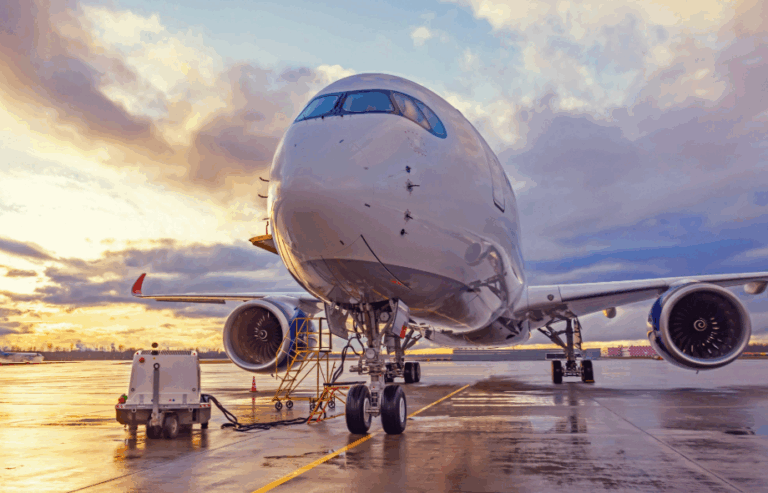
Emirates has updated routes for snub-nosed breeds, creating restricted pathways for Pugs to travel via their advanced Emirates SkyCargo Live Animals network. However, because flat-faced breeds remain highly vulnerable to respiratory distress, strict seasonal temperature bans and complex commercial manifest requirements apply. Regular travelers cannot book these flights directly.
Need to route your Pug on an Emirates flight path? As a registered IPATA agent, we handle the mandatory “Fit to Fly” vetting and cargo clearances. Contact our specialist team to check your route’s availability.
Discover What Makes Pugs a Globally Loved Breed – From Royal Companions to Elite Jetsetters
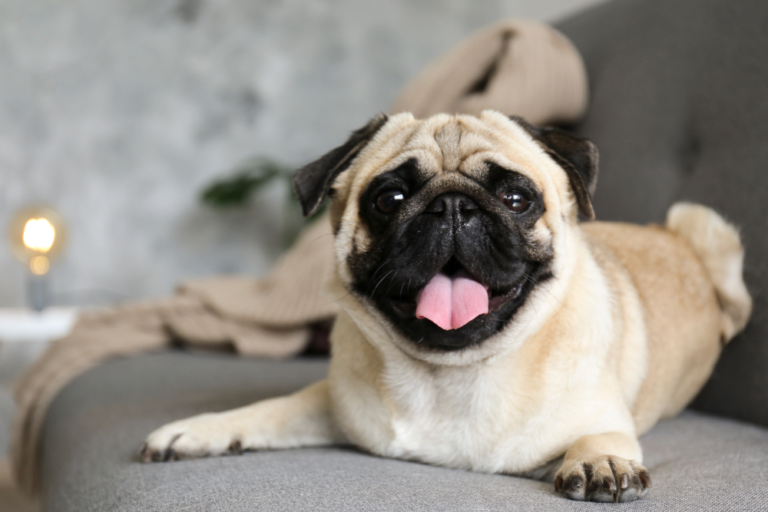
Pugs are celebrated as charming, comical, and deeply affectionate companions. Their compact size makes them wonderful family pets, but their unique flat-faced anatomy means they require specialised care – especially when relocating overseas. At PetAir UK, we support the unique welfare needs of brachycephalic breeds in transit.
The following 10 evidence-backed facts and expert care tips explore this remarkable breed.

1. “Mops” is the German word for pug
The German term Mops refers to pugs, reflecting one of the earliest European names for the breed.
2. Their journey from China to Europe
Pugs were originally bred in China and began arriving in Europe in the 16th century via trade routes. Over time they became favourite companions of royals and nobility, further sparking their popularity.
3. Queen Victoria’s pug passion
Queen Victoria was a huge fan of pugs in the 19th century and owned several. Her affection for the breed helped elevate its status in British society.

4. The pug of the Orange House
Legend has it that a pug named Pompey saved the life of the Prince of Orange in 1592, and in gratitude pugs became the official dog of the House of Orange. That legacy helps explain why pugs were highly prized in Europe.
5. Facial wrinkles: adorable but demanding
Those deep forehead folds and muzzles are part of pug charm – but they need daily cleaning to prevent skin fold dermatitis. Moisture, debris or trapped bacteria can lead to irritation, fungal infections or worse.
Use a soft, damp cloth (or vet-approved wipe)
Dry thoroughly
Apply a gentle barrier cream if recommended by your vet
If left unchecked, skin fold disease is one of several conditions to which pugs are predisposed.
6. “Multum in parvo” – much in little
The Latin phrase multum in parvo (much in little) is sometimes applied to pugs: they’re compact but packed full of personality, energy, curiosity and charm.

7. A pug’s daily slumber quota
Pugs are notorious for their napping habits – averaging around 14 hours of sleep per day. Their laid-back nature makes them great for apartment living, though regular short walks help maintain healthy weight.
8. Pugs in carriages, dressed to impress
Back in the 16th and 17th centuries, pugs often travelled in private carriages, with owners even dressing them in little jackets to match the coachman’s attire. Although this creates a wonderfully quirky historical image, it also tells us something more. Furthermore, it shows the breed’s long association with status and luxury.
9. A “grumble” of pugs
Did you know that people call a group of pugs a “grumble”? Interestingly, the name seems especially fitting when you hear pugs snorting, wheezing and snoring together as they relax.

10. Climate, colds, and breathing risks (What this means for travel)
Pugs can catch colds more easily than longer-muzzled breeds, and their flat faces make them far less tolerant of extreme heat or cold. Combined with a genetic predisposition to respiratory conditions like Brachycephalic Obstructive Airway Syndrome (BOAS), their ability to naturally regulate their temperature and breathing is compromised.
Because of these anatomical vulnerabilities, traditional cargo flight is highly dangerous and largely banned for Pugs by major airlines. To safely relocate your flat-faced companion, specialised travel options are required. Our Superior PetAir UK package, delivered in exclusive partnership with K9 JETS, provides temperature-controlled, low-stress private jet travel where your Pug (or other brachycephalic breed) stays right by your side in the cabin, ensuring their breathing remains safe, monitored, and uncompromised throughout the journey.
Looking for commercial flight options?
Read our current update on how the Emirates winter travel window allows snub-nosed pets to safely relocate during the cooler months.