



Taking Pets to Boston
Relocating your beloved pet from the UK to Boston is a thrilling yet intricate undertaking, demanding meticulous organisation and precise research. As Massachusetts’s largest city, Boston blends centuries of history with a modern, cosmopolitan feel, offering an array of green spaces and a vibrant cultural scene for pet owners. Yet the process of crossing international borders can become a maze of regulations, from fulfilling specific vaccination requirements to obtaining the right documentation. This is where PetAir UK proves invaluable, ensuring you and your pet are compliant with both UK and US guidelines well before departure. Moving to a city that experiences distinct seasonal changes calls for extra preparation—Boston’s chilly winters and occasionally hot summers require careful scheduling to guarantee a comfortable journey. In the sections that follow, we will outline the essential steps to make your pet’s move to Boston a success, covering everything from veterinary checks and crate selection to airline policies and post-arrival adjustments. Although the city’s storied universities and thriving biotech industry signal a progressive environment, new arrivals must still navigate local rules and logistical demands. With the right planning, you and your pet can settle into Boston life smoothly, enjoying the city’s historic charm and abundant recreational opportunities.

1. Research Entry Requirements and Restrictions
Before finalising any travel bookings, investigate the specific regulations for bringing your pet to the United States:
- Federal rules are set by the CDC and USDA and cover communicable diseases and animal health.
- Massachusetts has its own pet importation policies—essential when relocating to Boston.
- Work with pet relocation experts or check official state and federal websites for the latest updates.
- A valid health certificate and up-to-date vaccination records are typically required.
- Rabies vaccination is standard, sometimes accompanied by a mandatory waiting period.
- Young pets may face extra documentation requirements due to age restrictions.
Starting your research early helps avoid delays and ensures a compliant, stress-free entry.
2. Consult Your Vet
Your veterinarian plays a crucial role in preparing your pet for overseas travel. Be sure to:
- Confirm all vaccinations are current, and inquire about any US-specific boosters or tests.
- Discuss microchipping—essential for international identification.
- Request a comprehensive health check to identify any potential flight-related concerns.
- Secure a valid health certificate within the timeframe required by your airline—often within ten days of travel.
Being proactive with vet care helps eliminate avoidable issues closer to your departure date.
3. Secure the Right Travel Crate
A quality, compliant travel crate enhances your pet’s comfort and meets international safety standards:
- The crate must follow IATA specifications for ventilation, size, and construction.
- Your pet should be able to stand, lie down, and turn around without restriction.
- Familiarise your pet with the crate in advance using treats, toys, or familiar bedding.
- PetAir UK can offer tailored advice and modifications such as absorbent linings or extra water dishes.
Choosing the right crate reduces travel stress and avoids problems at check-in.
4. Understand Airline Policies
Each airline has its own pet travel policies, so research carefully:
- Verify rules on in-cabin vs. cargo transport—typically dependent on your pet’s size.
- Check for breed restrictions, especially for flat-nosed (brachycephalic) animals.
- Some airlines limit the number of pets per flight or impose seasonal temperature restrictions.
- Boston Logan International Airport supports pet arrivals, but climate-controlled cargo is key during seasonal extremes.
- Inquire about pet-specific booking processes and required documentation.
Understanding these details ensures smoother logistics and avoids last-minute surprises.
5. Sort Out the Paperwork
Having your documentation in perfect order is essential:
- Gather your pet’s health certificate, vaccination record, microchip verification, and rabies certificate.
- Keep physical and digital copies—some airlines or border officials may request extras.
- If your pet has visited a high-rabies-risk country, be ready for extra permits or blood tests.
- PetAir UK can help organise and cross-check documents according to both UK and US regulations.
Being meticulously prepared helps streamline customs processing at Boston Logan.
6. Plan Your Travel Timetable
Timing is everything when relocating your pet to Boston:
- The city experiences cold, snowy winters and hot, humid summers—each bringing its own travel challenges.
- Airlines may restrict pet cargo travel during weather extremes for safety.
- Minimise layovers to reduce exposure to temperature shifts and additional handling.
- Account for customs and cargo pickup delays at arrival.
- Build in time for last-minute vet visits and paperwork reviews before departure.
7. Consider Using a Specialist Pet Shipper
Working with a pet relocation expert like PetAir UK can simplify a complex process:
- They handle paperwork, booking, and airline communication.
- Professionals anticipate and solve potential issues such as denied boarding or routing errors.
- They tailor travel plans for pets with medical or behavioural needs.
- Emergency support and insurance options can also be arranged to cover the unexpected.
Using a specialist ensures a safer, less stressful journey for both you and your pet.
8. Prepare for Arrival in Boston
Be ready for what happens once you and your pet land in Massachusetts:
- Have all documentation ready for quick customs clearance at Boston Logan.
- Airport staff are familiar with international pet arrivals, but delays can occur during busy times.
- Factor in Boston’s traffic when arranging transport from the airport—especially during winter.
- Book a follow-up vet appointment to establish local care and check your pet’s post-flight health.
- Identify pet-friendly accommodations and services in advance.
9. Alleviating Pet Stress and Anxiety
Help your pet feel secure during and after the move:
- Introduce the travel crate well in advance to create a sense of safety.
- Stick to familiar routines—same feeding times, same toys.
- Ask your vet about calming products, but only use those deemed safe for air travel.
- Line the crate with absorbent material and something with your scent.
- Ease your pet into their new home gradually, limiting access until they are comfortable.
10. Settling into Life in Boston
Once the logistics are behind you, help your pet thrive in their new environment:
- Explore pet-friendly parks like Boston Common and the Charles River Esplanade.
- Prepare your pet for winter weather with booties or coats, especially if they’re used to milder climates.
- Comply with local rules—Boston requires rabies tags and dog registration.
- Enjoy the city’s welcoming atmosphere—many outdoor cafés and shops accommodate pets.
- Continue regular vet care and monitor your pet’s adjustment to urban living.
With time, consistency, and care, your pet will settle into Boston life comfortably and happily.
Related Locations











“
Ciara’s Exciting Adventure to San Francisco!
Ciara has arrived safely to San Francisco, huge thank you to you and the rest of the PetAir team for making the process so smooth and for looking after her.
“
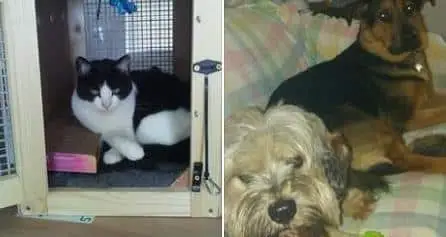
Lieutenant Worf, Jeanne d’Arc and La Reine Margot flew to Atlanta, USA
Dear Darren, Luke and everyone else involved in shipping our pets to Atlanta,
I just wanted to say thank you from the bottom of our hearts for taking such good care of our three pets Lieutenant Worf, Jeanne d’Arc and La Reine Margot.You have made a very stressful process easy and we were very impressed by your professionalism via email and at your center.Our pets were so comfy in their crates that we have decided to decorate them and keep them as their individual dens.
So once again, many thanks. Kind regards, Jxxx and Bxxxxxx
“
Monty to Los Angeles
“Monty is safely ensconced in Los Angeles after an extremely long journey. Our old cat has not welcomed him with open paws but that will probably change and the rabbit doesn’t know what this alien creature is except he chases her around the house. I am attaching a couple of photos so you know what he looks like – looks rather sweet and innocent to me – don’t believe a word of it!
So thank you for getting him here safely.”
“
Peter the cat has flown to Boston, USA
“Hi Bob and Cat and Peter
Thank you so much for everything! Peter arrived safely (if a bit smelly!) to a very cold Boston last night. After an hour and half car journey to his temporary home in NH, he met is ‘grandparents’ and is settling in quickly. Yesterday was already an emotional day for us – but knowing that he was being so well looked after certainly made the journey easier for us. The whole process was so well organized – from initial quote to picking him up, and thank you to Peter (who picked him up, appropriately) for being so calm and thorough to two blubbering owners! We hope we won’t have to travel internationally again, but if we do – we will be in touch!!!
Thank you!!
Bxxxxx”
“
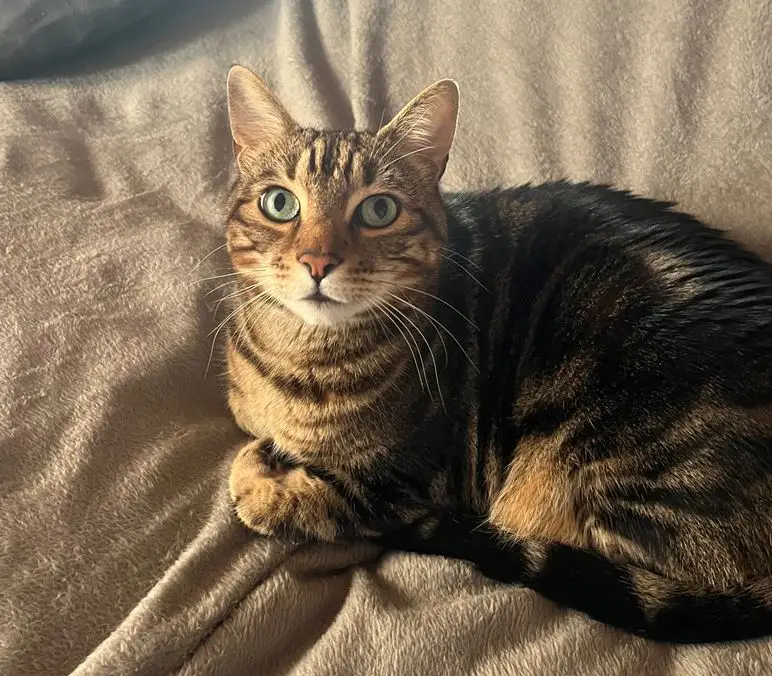
Blue & Belle in Florida
Amazing from start to finish !
Travelled with my 2 Doberman : Blue 11 month & Belle 2 years . The kennel pick up prior to our long haul flight (London – Miami) was perfect , the custom build crates were perfect , and the Miami kennel that picked the dogs up from customs was great as we met there to let the dogs have a run around /loo break after their long flight . Both dogs seemed completely unaffected by the long flight and all the people that they encountered during the journey. I was naturally anxious about it all : I didn’t need to be as everything went absolutely perfect !

“
George to Houston
I wanted to drop you a quick message to let you know we all made it safe and sound. George is in great shape, other than a little confused but is very happy and most importantly healthy. Thank you for the outstanding service!!!
“
Penny and Trixie to San Francisco
“Hi Darren. I wanted to thank you again for all your work getting Penny and Trixie here. They both arrived just fine and are settling in nicely. I hear they meowed the whole flight.
I hope you’ll pass on my thanks to the rest of the team at pet air. -Kxxxx”
“
Lola to JFK
“Thanks Linsey – really happy with the service from start to finish, communicative and professional and Lola was so relaxed when she got here. Attached some pictures and will review on Facebook.
Thanks again”
“
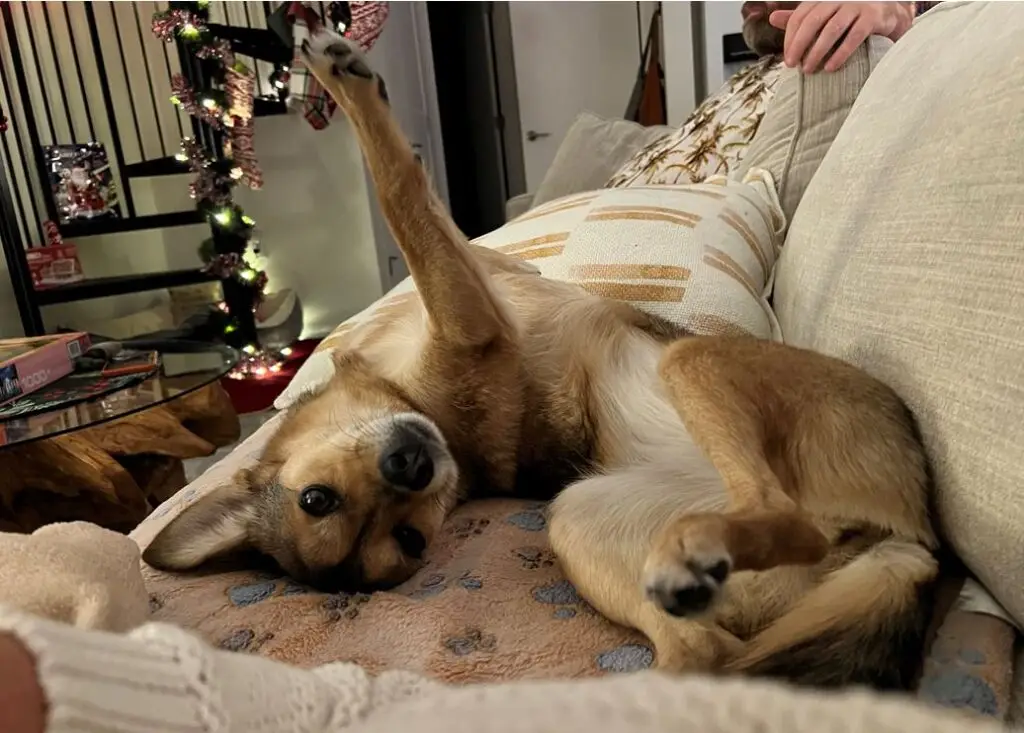
Bella and Nelson Travel to the USA!
Bella and Nelson travelled from UK to the USA with Pet Air Uk We might be a long way from our old home and there is still a lot of unpacking to do but our most precious dogs have made it safe and well! We are really appreciative of all the support and help that meant we could be reunited in our new home Wilmslow Cheshire to Carmel Indiana – what seemed such a big ask was made easy by Manisha and team at Pet Air UK Everything went smoothly and we were kept up dated at all times and there was so much help with the forms and paperwork The dogs were reunited with us and an hour and a half after landing in Chicago and their pet taxi driver and customer broker was very lovely. The whole experience was brilliant I would highly recommend the service.
“
US to the UK
From start to finish the service provided by PetAir UK was excellent. They are on top of everything – they communicate well – they let you know the process and keep you informed. We went for the Gold service and our dog took three days to get to us in the US from the UK. We knew he was in safe hands – you can tell that they genuinely care as my parents who had the job of handing our dog to the driver in the UK were upset to see him go. The driver was lovely and reassuring – the team in the office even had photos of him sent to them when he arrived at the UK kennels to reassure them he was okay. On the US side the agent took care of everything and he was safely delivered to us chilled out and care free three days later. Thank you PetAir UK. We will be using your services again when we return in maybe 2/3 years time.
“
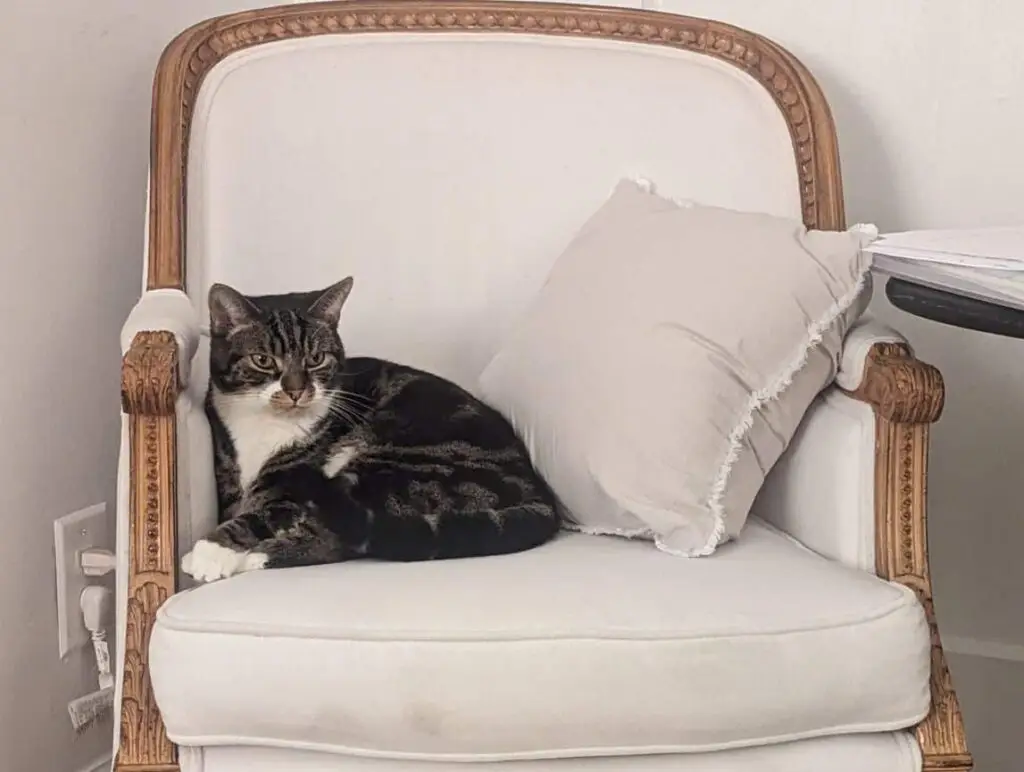
Casper’s journey to the US!
PetAir UK were absolutely fantastic. They made our whole experience relocating from the UK to the US so much more relaxing. It was so reassuring to know that real professionals were on hand to look after Casper, our cat, throughout his journey. They were very efficient answering all our questions and made us feel very relaxed and confident that Casper would be ok. Thank you so much!!
“
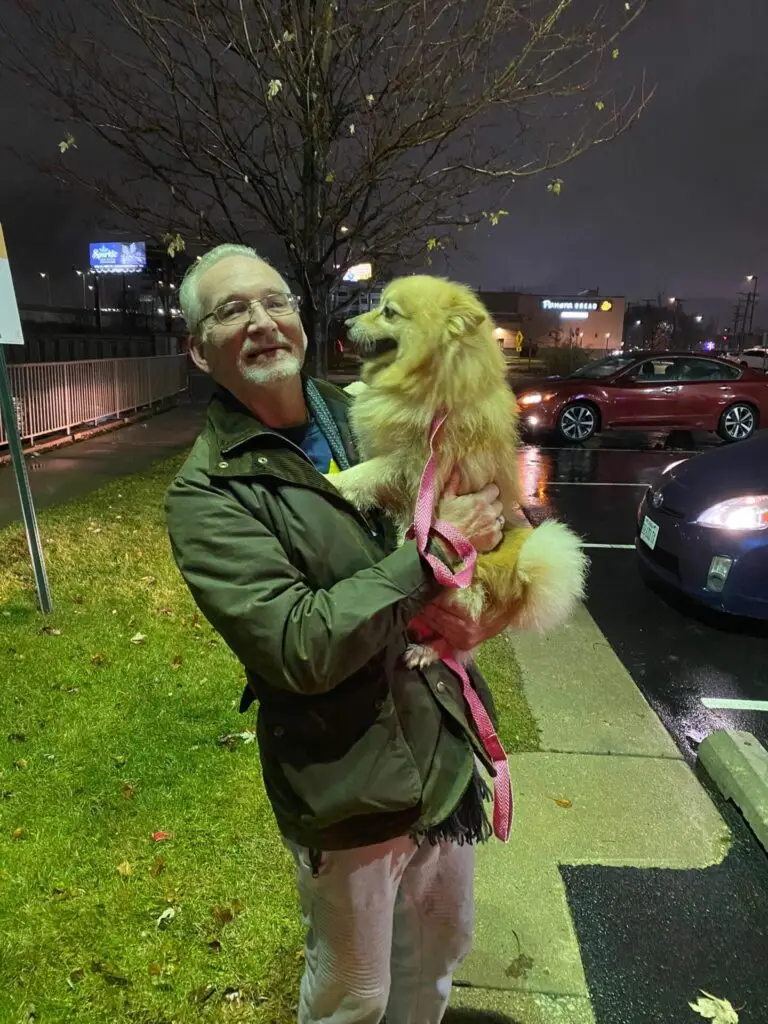
Happy Pup Arrives In Chicago
All went well with the clearance and handover of this cutie in Chicago last night. Look at that smile on the pup’s face!!!
“
Stanley and Alfie flew to New York
“Hi Cat
I just wanted to say a massive thank you on behalf of me, my partner and our pets for all the work you and everyone else has done to get Stanley and Alfie safely to us in New York. They arrived about half an hour ago a little confused but well looked after. And after a little exploring of our accommodation seem to be settling down nicely.
Everyone from Zara who dealt with my initial enquiry, you who answered all my questions and the people that were involved in transporting the pets have made us feel at ease about what was the scariest part of our relocation.
Thank you once again
Lxxx, Jxxx, Stanley & Alfie Jane”
“
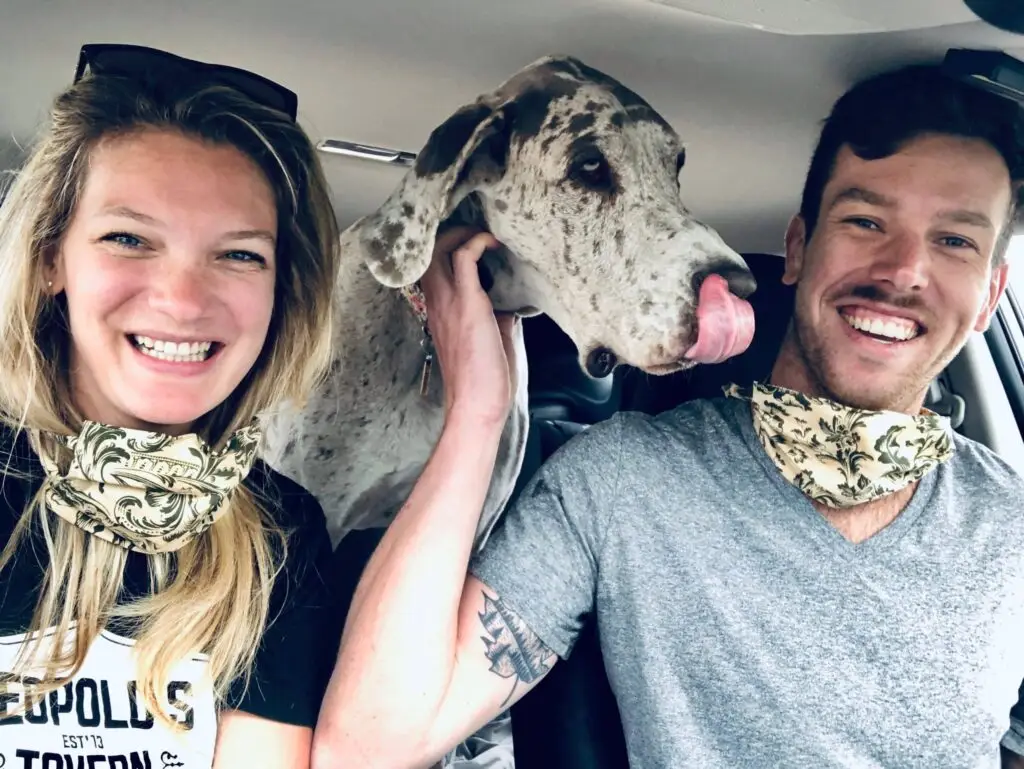
Pixel to USA – October 2019
I just thought you’d like to know that we have collected Pixel. All went well and he seems in good form too. I can’t thank you and all of the Pet Air team enough for being so perfect: so prompt, attentive, communicative, always available to clarify any questions I had, to calm my worries, so lovely to Pixel. I will endeavour to recommend you as much as possible to anyone that may need your services or even just to let them know how amazing you are :-). Once again thank you so much for making this stressful and emotional experience very easy and lovely.
“
Ayumi and Askari to the USA – September 2019
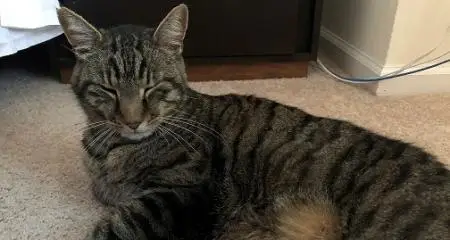
Thank you for everything!! The cats arrived safely and they are settling in nicely. It’s so lovely to see them again and have them home. You have all been so amazing and taken the stress out of this experience for us. The crate was great and they seemed very comfortable and Chris, who picked up the cats from my parents was great! Thank you again.
“
Thanks again to you and all your colleagues at Pet Air UK for a brilliant service.
“Freddie loves America! Here he is before and after a groom yesterday and when he had just arrived.
We will be sure to use you again when we return to the UK in a few years.”
“
Luna Arrives In NYC!
PetAir UK helped me to move to NYC with my Staffie Luna. They provided an excellent service and kept me updated with her progress via photos which really helped me know she was doing well during the transfer.
“
Sassy, Rahna and Dexter went to Orlando, USA – July 2015
I just wanted to thank you both for what you and your colleagues for the amazing service you have provided us with.
All 3 of our pets have arrived in Florida fit and well. As this move has had my wife and I on an emotional roller coaster but having our pets arrived today has so much.
Though you dealing with the mountain of silly little questions that put our minds at ease, we were worried how long it would take our pets to settle but as you can see Sassy and Rahna have settled so well, Dexter has as well just not as easy to get a picture of him.
Thank you again
All are friends have been made aware of what a fantastic company you are for transporting our pets.
“
England to Washington DC
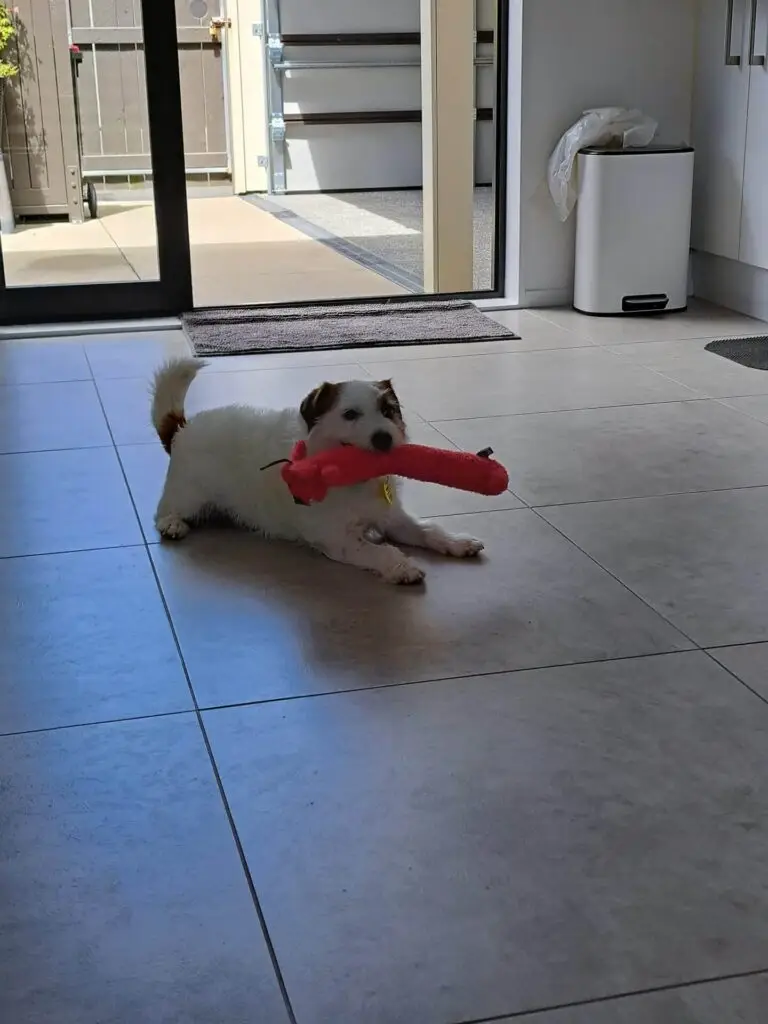
Like most, I find the idea of pets on a plane a bit weird. PetAir made it so easy. I just filled in some simple forms when asked, and my dog and cat were delivered door-to-door from the North of England to Washington DC. They also have good packages to either bring down the cost, or go for a comprehensive service. I found it reassuring that PetAir is run by vets. Strongly recommend!
“
Lilo the dog flew to Tampa, USA
Can we just say thank you so much LILO is in perfect health and in no distress when we picked her up it was so enjoyable being reunited with her. This is all thanks to you at Pet Air Uk.
She ate and drank straight away and did her business soon after all great signs that she was happy.
I will be highly recommending you to all my pet owner friends.
Thanks so much
“
Jake and Reggie to San Francisco
I am happy to report that everything went well & the boys arrived safe & sound.
We would like to say a very big thank you to you & the team for all your support throughout this process. Your professional, calm approach ensured we felt confident that our boys would be treated well & looked after.
So Thank You!
“
Benson and Riley the dogs flew to Miami, USA
Both Benson and Riley have settled in well, I’ve attached a few snaps.
Can I just take this opportunity to say thank you for making the whole process so easy. From every step of the way I had absolute confidence that Benson and Riley would be well looked and confidence in Pet Air delivering a great service.
During a stressful situation, managing everything that had to be done for my move to the states and everything that has to be completed on arrival, it was fantastic not to have to worry about the transportation of Benson and Riley, so thank you once again for easing the stress levels.
“
Toby to Orlando
He is doing great thank you. He’s been on lots of walks already and already made some doggy friends 🙂
I haven’t yet taken one of us reunited however I do have some of Toby enjoying the pool life in the Florida sunshine….
“
George and Minnie
“Hi Linsey, Cat and Zara,
Minnie, George and I are safely in Cleveland and settling in very well! Thank you for all your help and fantastic service. We could not have done this move without you! Here are some photos of M&G in their new home..
Lots of cuddling!”
“
A huge thank you to everyone at PetAir
“I just wanted to say a huge thank you to everyone at PetAir for how accommodating and helpful you have all been. We were very apprehensive about putting the cats on a plane, but everything went so smoothly that is took away a lot of the stress. We also really appreciated you looking into the various routes for getting here, especially when we almost changed the final destination to Detroit rather than Chicago a week before the flight!
Pip and Elsie have settled in very well in Michigan, and they were back to their usual selves within no time at all. I’ve attached a couple of photos of the mischievous pair!
Thanks again for everything.”
“
Charlie to Pittsburgh
Thank you for the receipt, and a huge thank you to everyone at Pet Air, you really came through and we couldn’t be happier with the service!
Charlie arrived in one piece, quickly ousted the already resident cat owned by my wife’s father and is enjoying watching new wildlife (there are bobcats) out the window.
“
Atticus the cat flew to Portland, Oregon
Dear Valerie, Jackie, Victoria and the Petair UK team,
I wanted to say a massive thank you for all your help with bringing Atticus over to Portland, Oregon, and for answering all of my many questions. I was extremely anxious and worried about Atticus flying all the way over here, but felt reassured with all your replies. Atticus arrived safely Tuesday evening, he was a little bit concerned with the loud noises in the cargo area but soon settled down on the car ride home with us talking to him. We have been getting lots of head rubs, chirrups and purrs since he arrived!! 🙂 The past couple of days he has been enjoying his new American food and looking out of the windows at all the wildlife. I have enclosed a couple of photos of him 🙂
If we ever relocate back to the UK we will definitely be contacting Petair UK. You have all been fantastic! Thank you so much! Jxxxxx 🙂
“
Princess to USA – 2019
We were so happy with how the journey went, start to finish you guys were so helpful and reassuring.
Princess arrived safely and has settled in so well to her new life in LA!
Nothing but positive things to say. Thank you again!
“
Molly flew over to Houston, USA
I wanted to take the opportunity to say a huge THANK YOU! to you and your staff for doing such a wonderful job transporting Molly here to me in Houston.
She arrived safe and sound last Friday, as scheduled, and your staff did a fantastic job with her crate and comfort amenities. Understandably, she was VERY happy to see me and to get out of the crate and move about, but it appeared she had a relatively comfortable flight over.
Molly is adjusting to life here in Houston, and she is back to her typical Jack Russell ways!