


Finding the right crate for your companion
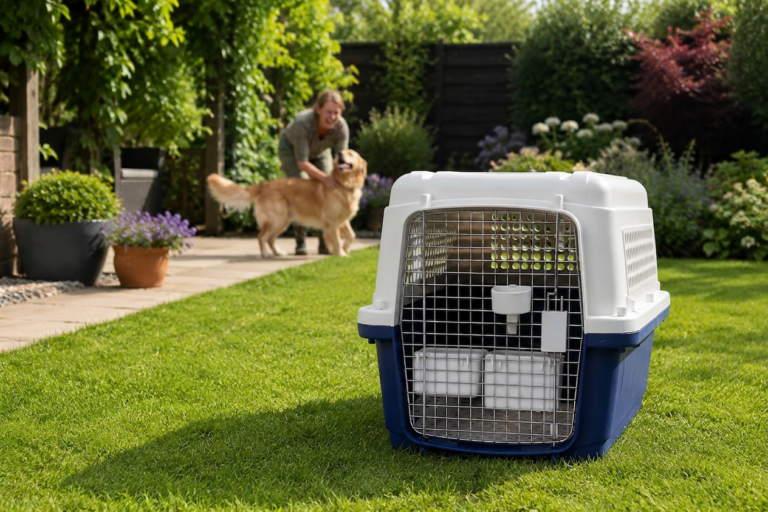
The right travel crate helps keep your pet secure and gives them room to stand, turn around and lie down naturally during their journey. For air travel, the crate must meet the current requirements of the airline and relevant live-animal transport rules.
PetAir considers your pet’s measurements, breed, health, temperament and travel route before confirming a suitable option. Because airline policies differ, a crate should never be purchased on the assumption that one size or style suits every journey.
Why the right pet travel crate matters
A travel crate is an important part of your pet’s travel arrangements, not simply a container to tick off the checklist. It should be robust, secure, ventilated and appropriately sized. A crate that is too small can restrict movement; an unsuitable design may be refused by the airline.
The International Air Transport Association (IATA) publishes Live Animals Regulations and practical guidance used across the air transport industry. Airlines also set their own acceptance policies, and destination countries may impose additional rules. “IATA-approved” is often used informally by sellers, but it is not a universal guarantee that an airline will accept a crate. Always confirm the specification for your exact route.
How PetAir chooses the right crate
Every pet and itinerary is different. When planning a suitable travel crate, key considerations include:
- Your pet’s measurements and natural standing posture, including head or ear height.
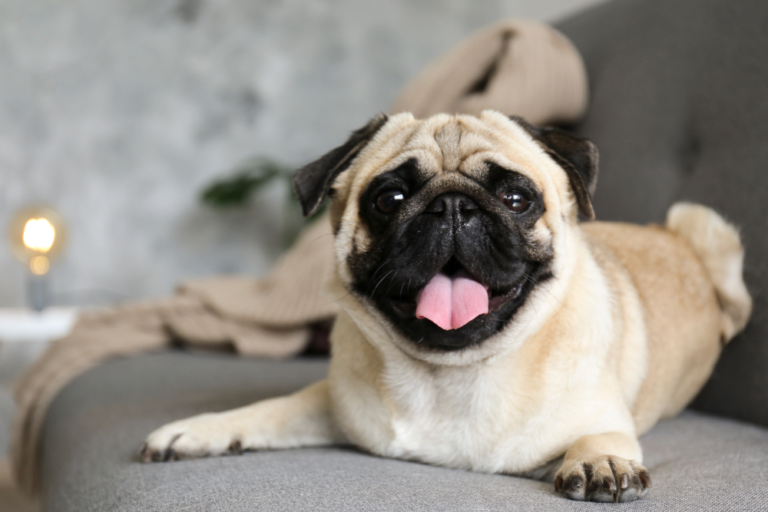
- Breed and body shape. Short-nosed, or brachycephalic, breeds may need special assessment because they can be more vulnerable to breathing and heat-related problems.
- The airline, aircraft and route, including any transfer or onward connection.
- The crate’s construction, door and fastenings, ventilation, base and water arrangements.
- Your pet’s temperament, health and previous experience of confinement.
- Any country-specific requirements or restrictions that affect the journey.
PetAir’s veterinary-led approach helps bring practical travel requirements together with the individual needs of the animal. The final crate choice must still be checked against the operating airline’s current instructions.
How to measure your pet for an air travel crate
IATA’s published guidance gives a starting formula for calculating minimum internal crate dimensions for a single dog or cat. Measure your pet standing naturally, and add the bedding height to the required internal height.
- A: length from the tip of the nose to the base of the tail.
- B: height from the floor to the elbow joint.
- C: width across the shoulders or the widest point of the body, whichever is greater.
- D: height from the floor to the top of the head or ear tip, whichever is higher.
IATA’s approximate minimum internal dimensions for one animal are: length = A + half B; width = C × 2; height = D plus bedding. These are internal measurements, not the external dimensions on a product listing. IATA guidance specifies a 10% larger container for snub-nosed breeds. Treat this as a starting point and ask your pet relocation specialist to verify the current rules and crate suitability. If you need more information on how to measure your dog please check out our measuring guide.
Some airlines have additional restrictions for certain breeds or may not accept them on particular routes or during hot weather. If your pet has a short muzzle, breathing difficulties, heart disease, anxiety or another medical concern, speak to your vet well before travel.
Rigid crate or soft-sided carrier: which is right?
A soft-sided carrier may be suitable for a small pet travelling in the cabin when the airline allows cabin pets and the carrier meets its size and safety requirements. It is not automatically suitable for a pet travelling as air cargo. Current GOV.UK guidance says pets entering Great Britain by plane generally travel as cargo unless an exception applies, such as a guide or assistance dog or a chartered private flight.
For international relocations, a rigid crate is always needed for cargo travel. Its construction, door, ventilation and fastenings must meet the operating airline’s requirements. Check the entire itinerary, including transfer points, before ordering a crate.
Help your pet feel at home in their crate
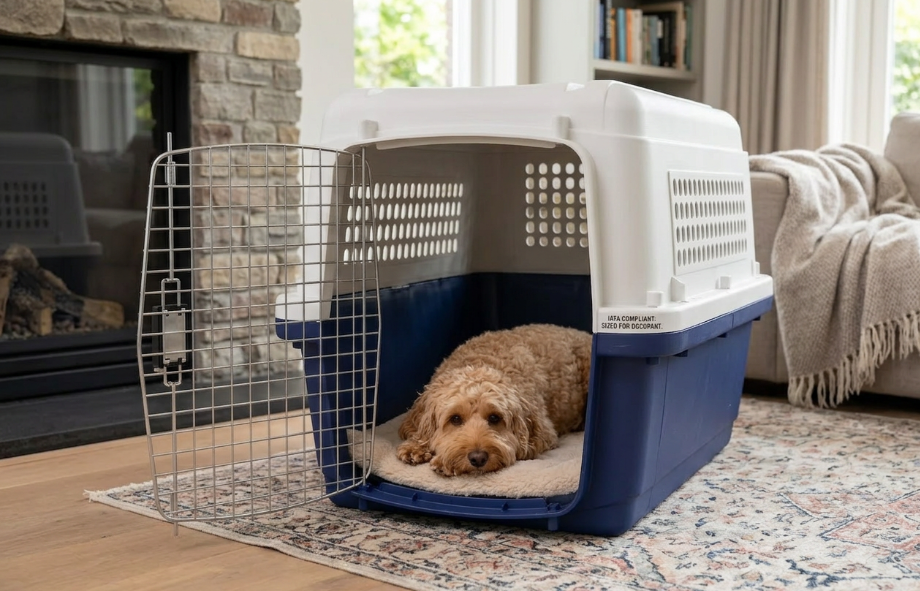
Introduce the crate weeks or, where possible, months before departure. Gradual, positive familiarisation can help your pet see it as a safe resting place rather than something that appears only on travel day. If you run into any problems getting your pet familiar with the crate, PetAir offers training consults as part of our complete care plan. One on one sessions with our behaviorists will have you travel ready in no time.
- Place the open crate in a calm, familiar room and let your pet explore voluntarily.
- Use treats or meals near the entrance, then gradually place them further inside as your pet becomes comfortable.
- Add familiar bedding if the airline permits it and it does not compromise space or safety.
- Build up time inside gradually. Practise briefly closing the door only when your pet is relaxed, supervising early sessions.
- Keep the experience positive. Do not force your pet inside or use the crate as punishment.
- Ask your vet for advice if your pet becomes distressed, has travel sickness or has a health condition.
IATA advises owners to help animals become familiar with their travel container well in advance. Preparation cannot remove every source of stress, but it gives your pet time to get used to the crate before the journey. If you’re still unsure of how to prepare your dog for their journey, you can always check our guide. If you’d like to check prices, travel dates or other details our travel quote tool is here.
What should go inside the crate?
Follow the airline’s instructions on bedding, water containers, identification and paperwork. Absorbent bedding may help keep your pet comfortable. Where required, use a suitable non-spill water container fitted securely. Do not add loose items that could injure your pet, obstruct ventilation or reduce usable space.
Do not give sedatives or tranquillisers for air travel unless your vet has specifically assessed your pet and advised you. Sedation can carry risks during transport and may conflict with airline policies. Discuss anxiety or medical concerns with your pet shipper and your vet well before departure.
Pet travel crate checklist
- Confirm the latest airline and destination requirements before buying a crate.
- Measure your pet and check internal dimensions, allowing for bedding.
- Inspect the door, fastenings, ventilation and base.
- Check the crate suits your pet’s breed, health and behaviour.
- Start positive crate familiarisation well ahead of travel.
- Confirm approved water setup, bedding, identification and documents.
- Ask your vet whether your pet is fit to travel.
Frequently asked questions about IATA-approved pet travel crates
What is an IATA-approved pet travel crate?
People often use this phrase to mean a crate designed to meet IATA Live Animals Regulations guidance. It does not guarantee acceptance by every airline. Check the operating airline’s current requirements and destination rules for each journey.
How big should a pet travel crate be?
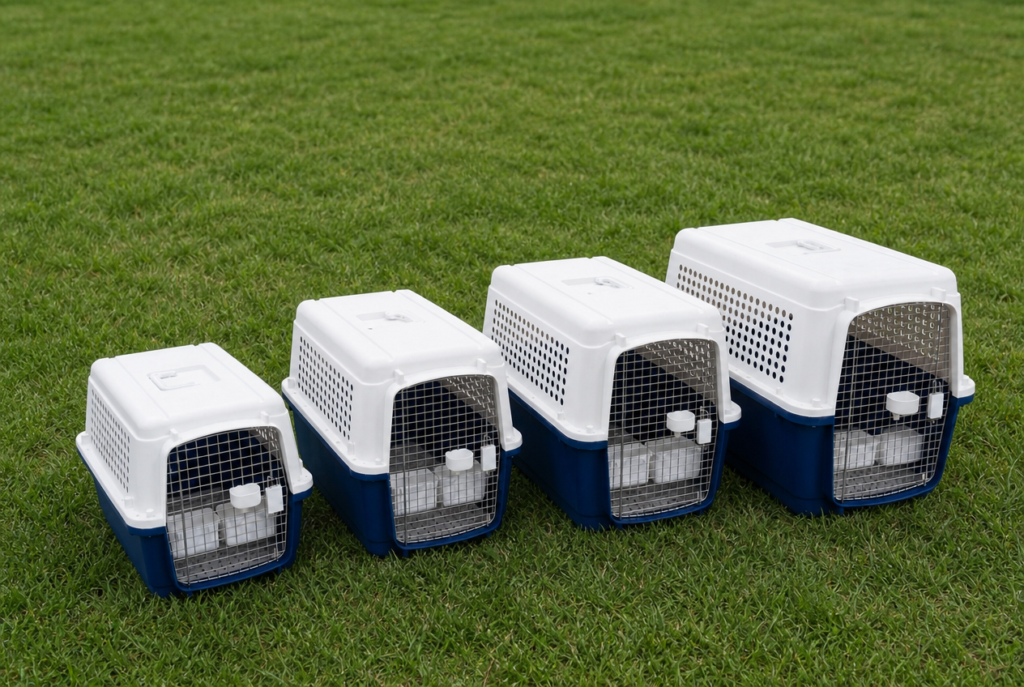
Your pet needs room to stand naturally, sit upright, turn around and lie down naturally. IATA publishes a measurement formula for minimum internal dimensions, but breed, bedding, airline requirements and route can affect the final choice.
Can I use my dog’s everyday crate for flying?
Not necessarily. A home crate may not meet requirements for construction, door security, ventilation or dimensions. Have it checked against the rules for your itinerary before travel.
Can my cat fly in a soft carrier?
Some airlines allow small cats in suitable cabin carriers and with our In-Cabin Superior package we can guarantee it. Pets travelling as cargo usually need a crate that meets cargo operator requirements. Confirm the arrangement for your route.
Can two pets travel in one crate?
Do not assume sharing is allowed or suitable. IATA guidance sets conditions around species, age, size and compatibility, and some national rules require individual crates. Check the current rules for your animals and route.
When should I start crate training?
Start as early as possible, ideally several weeks or months before travel. Let your pet explore at their own pace and build positive associations gradually with treats, meals and familiar bedding where permitted.
Should I put toys or blankets in the crate?
Use only safe items permitted by the airline. Suitable bedding may help, but bulky or loose objects can reduce space or create a hazard. Confirm what is allowed before departure.
Can my pet be sedated for the flight?
Do not sedate your pet without veterinary advice. Sedatives can pose risks during transport and may not be accepted by the airline. Discuss your pet’s needs with your vet well in advance.
Expert help with your pet’s relocation
Choosing the crate is one part of a successful international pet move. PetAir has helped more than 33,000 pets relocate around the world, with experience across 300+ destinations. Planning early helps the team consider the route, crate, documentation and your pet’s individual needs together.